
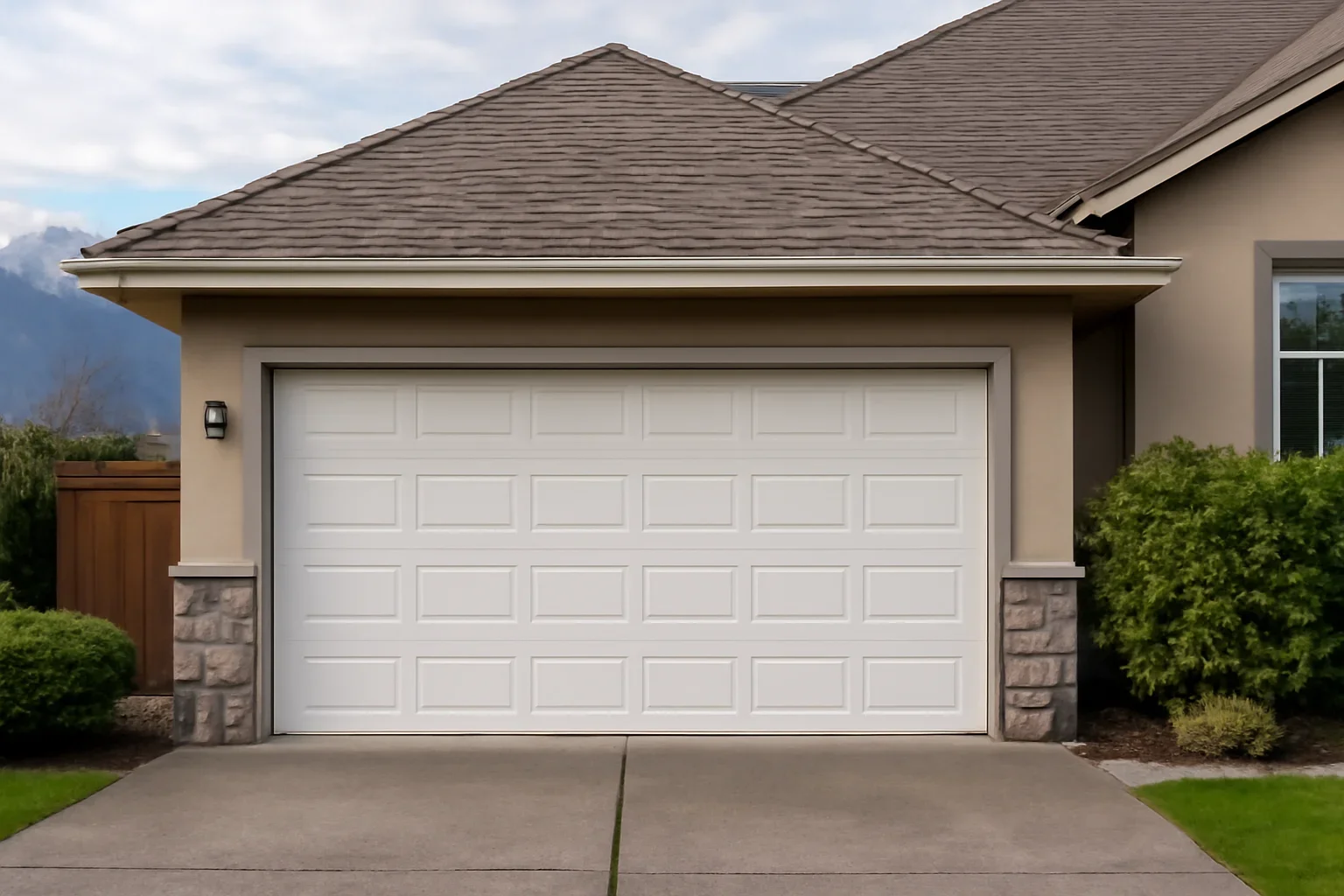
Garage Door Noise Fixes BC
Noise fixes start by narrowing the source, whether it comes from rollers, hinges, tracks, opener wear, loose hardware, or a balance problem. Across BC, climate and property type can change what makes the most sense.
This article keeps the topic practical by focusing on what homeowners should notice, what often gets overlooked, and when a general concern turns into a repair, replacement, or upgrade decision.

Main takeaways
- Start with the symptom, usage pattern, and environment around the garage.
- Compare convenience, upkeep, and long-term reliability instead of reacting to one short-term problem.
- Move to a service page when the issue has become specific enough to act on.
Most garage door decisions get easier once the topic is tied back to the age of the door, how the garage is used, and whether the concern is primarily about function, comfort, security, or appearance.
What to look for
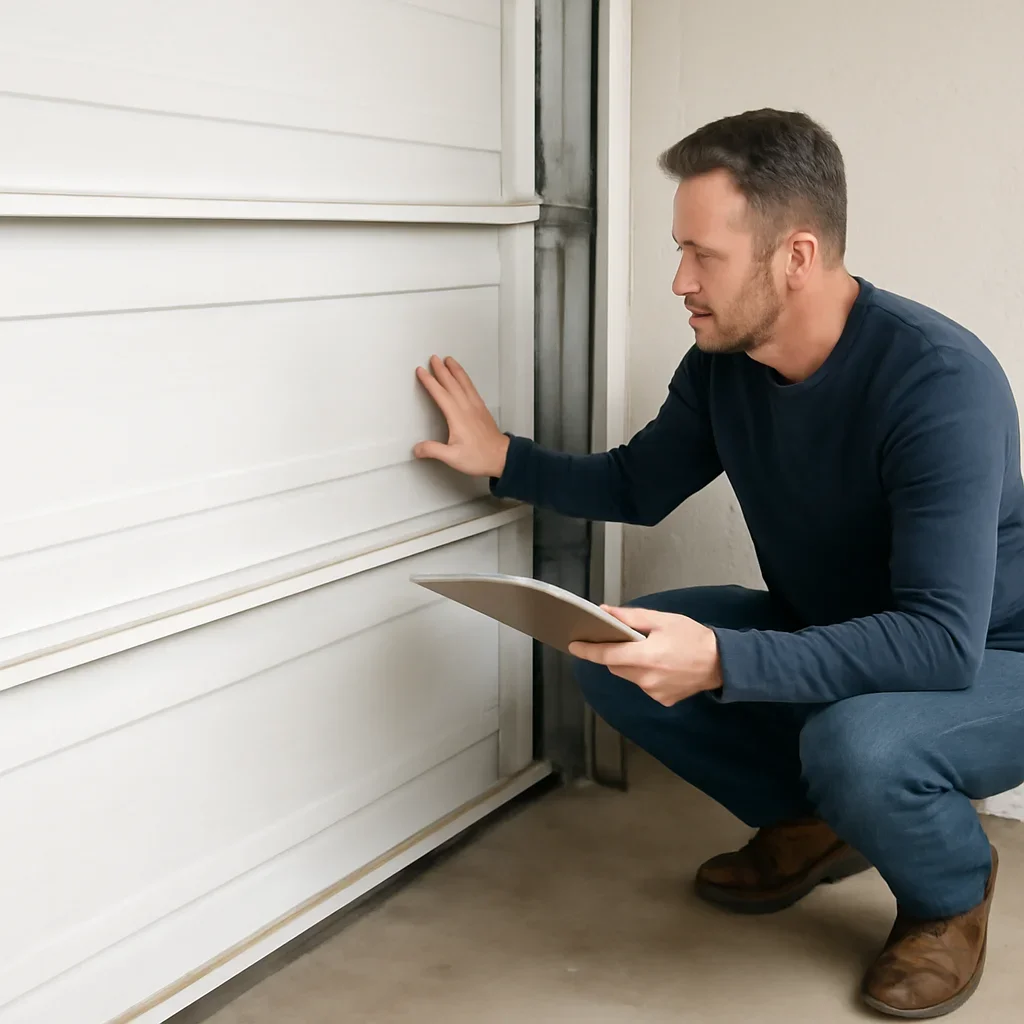
Watch for changes in sound, travel, responsiveness, visible wear, drafts, or the way the door fits the opening.
When to move from research to service
Once the issue becomes specific or starts affecting reliability, the next step is the matching service page rather than staying in general research mode.
Related questions
Is this something to monitor or act on now?
That depends on whether the concern is cosmetic, convenience-related, or already affecting safe and reliable operation.
Does climate or location change the answer?
Often, yes. Moisture, salt exposure, hillside drainage, direct sun, and overall frequency of use can all influence what happens next.
Where should I go after reading this?
Move to the matching service page, your city page, or the contact page if the issue is specific enough to describe clearly.