One control works and another does not
If the wall control operates the garage door normally while one remote or keypad fails, the complete motor unit may still be functioning. The individual control, battery or programming deserves attention first.

Opener Troubleshooting · Abbotsford, BC
If the motor responds but the garage door does not move normally, the door reverses while closing, or a remote, keypad or wall control has stopped working, the first step is identifying which part of the system is actually causing the problem.
The opener, controls, safety sensors and mechanical garage door work together. A control problem can look like a failed motor, while a heavy or binding door can place excessive load on an opener that is otherwise functioning.
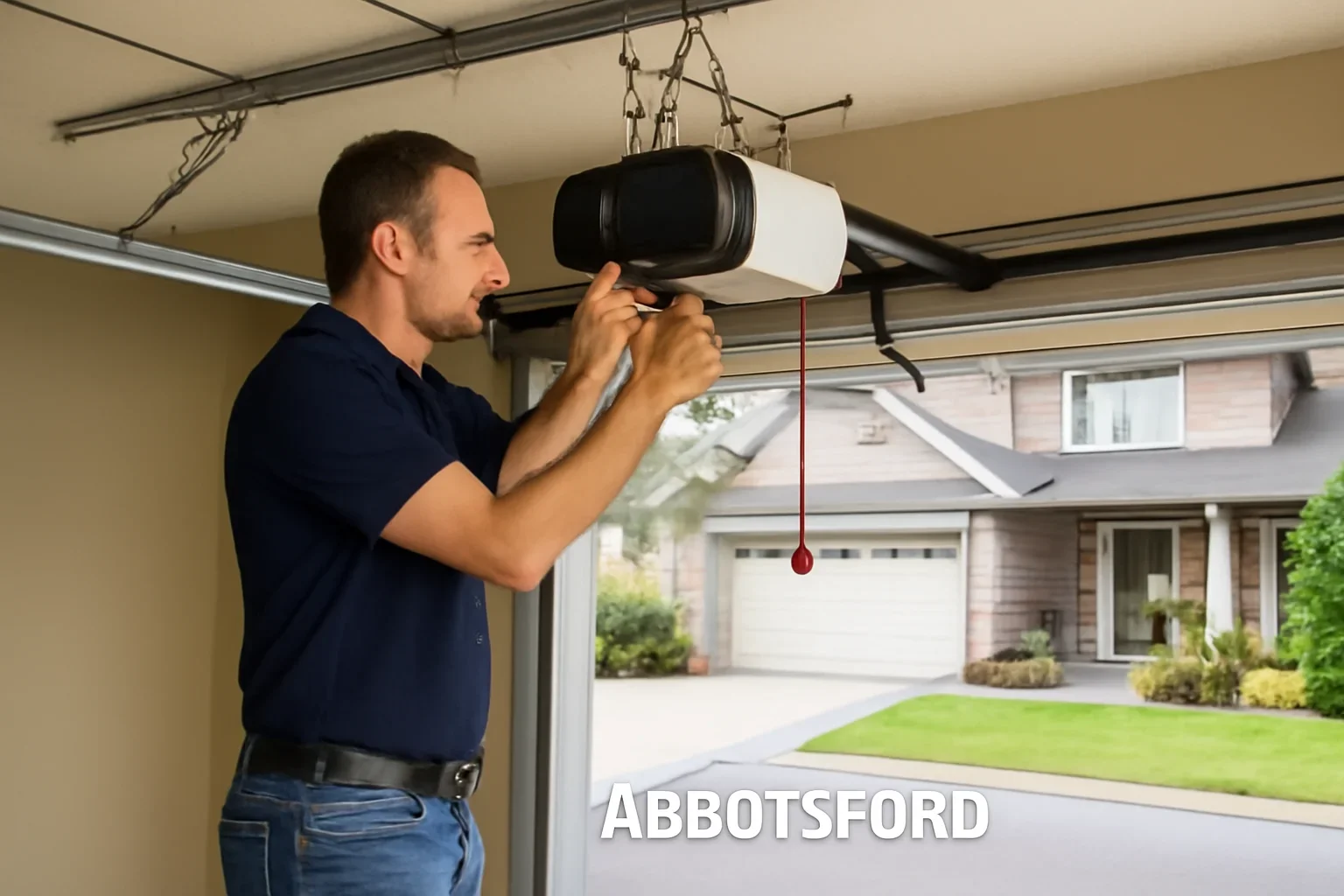
Separate the Systems
Not always. The opener is designed to operate a garage door that is already balanced and able to travel properly. Mechanical resistance can make a working opener appear weak or unreliable.
A heavy garage door is not an opener-power problem. If the door has suddenly become heavy, crooked, binding or unstable, stop treating the issue as opener-only and have the mechanical garage-door system assessed.
If the wall control operates the garage door normally while one remote or keypad fails, the complete motor unit may still be functioning. The individual control, battery or programming deserves attention first.
An obstruction, shifted sensor or sensor-system fault can prevent closing even when the opener motor is otherwise able to operate.
The opener's trolley, rail or drive system can be involved, but the door also needs to move without abnormal resistance. The opener should not compensate for an unhealthy mechanical system.
Start with Abbotsford garage door repair . If the door suddenly feels unusually heavy or the spring system appears damaged, use Abbotsford garage door spring repair .
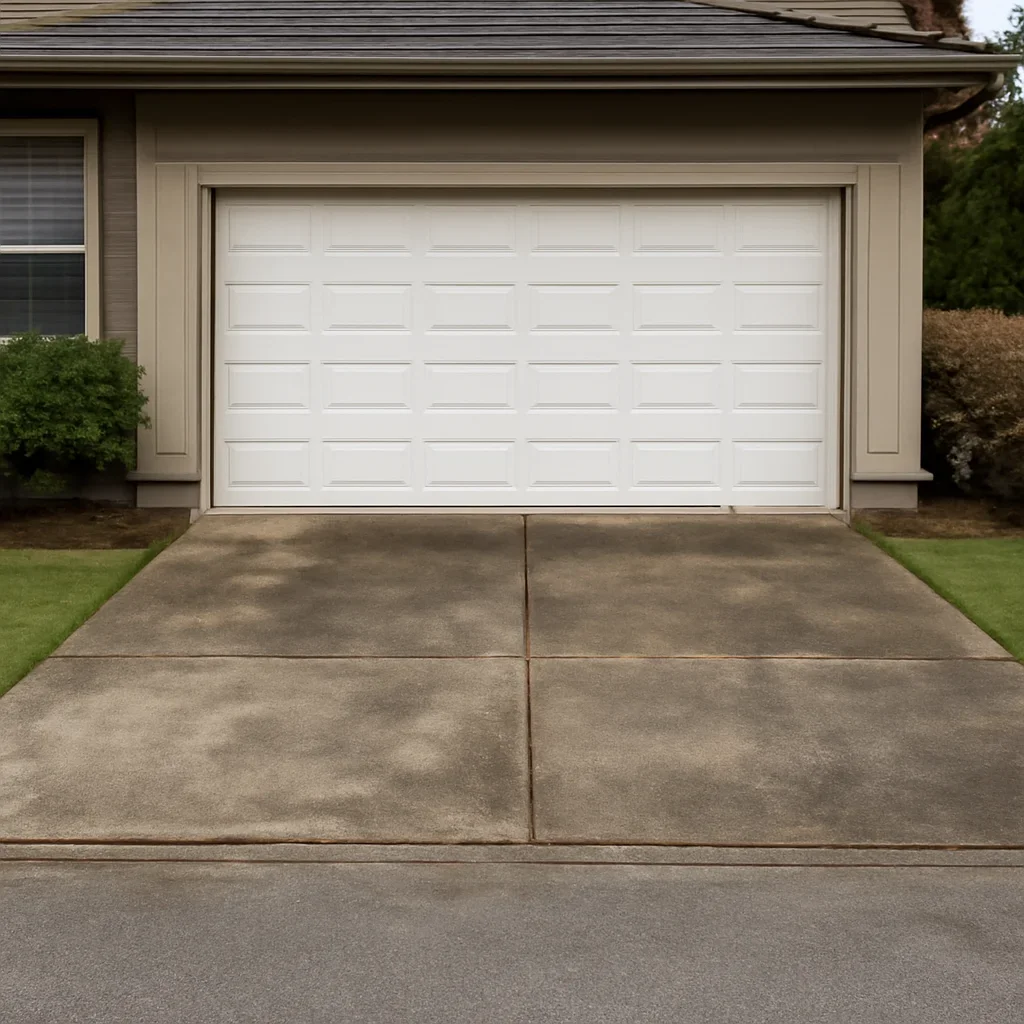
Abbotsford Property Context
Door dimensions, tracks, ceiling height and building use can vary substantially across Abbotsford. Those details matter when deciding whether an apparent opener problem is really a motor, drive, compatibility or mechanical-door issue.
Diagnose Before Replacing
A useful diagnosis follows the operating sequence from the command, through controls and safety devices, to the motor and drive system, and finally to the mechanical garage door.
Establish whether the opener has power and what occurs when a command is given. Silence, clicking, humming and normal motor sound point toward different diagnostic paths.
Test the available controls independently. One failed remote is different from an opener that ignores every available command.
Check for an obvious obstruction, sensor displacement or abnormal indicator-light behaviour. A safety-system fault should be corrected rather than bypassed.
Determine whether the movement produced by the motor is being transferred correctly through the opener mechanism to the garage door.
A door that consistently stops short, travels too far or reverses at a particular point can involve travel configuration, an obstruction or mechanical resistance.
The operator should not have to compensate for a heavy or binding door. Springs, rollers, tracks, cables and other mechanical components may need their own diagnosis.
Once the fault is isolated, the next step may be a control, accessory or sensor issue, opener repair, adjustment, mechanical door repair or complete opener replacement.
Remote, Keypad or Wall Control?
Which control still works can help narrow the problem before anyone concludes that the entire opener needs replacement.
Check that remote's battery and compare it with another remote or the wall control. A single-device problem should be separated from an opener-wide failure.
Normal operation from the wall control indicates that the motor and mechanical door may still be functioning. Wireless controls or programming deserve closer attention.
A keypad problem can involve its battery, programming or compatibility rather than the core opener.
Start with the remote battery and note whether the range problem affects every wireless control. Some opener systems can also be affected by radio-frequency interference from nearby electrical equipment or certain lighting products.
Confirm whether the opener has power and note any lights, sounds, display messages or diagnostic indicators before assuming which internal component failed.
Closing & Reversing Problems
Safety sensors are one common possibility, but they are not the only one. The closing path, opener behaviour and mechanical garage door all need to be considered.
Do not bypass the safety system to make the door close. Identify the obstruction, sensor issue or underlying operating problem instead.
Check for vehicles, stored items or another obvious object in the garage door's closing or travel path.
An object, accumulated debris or another interruption between the safety sensors can prevent a normal closing cycle.
A visibly shifted sensor or abnormal indicator-light pattern can point toward sensor alignment or related wiring trouble.
Binding rollers, tracks, hinges or poor door balance can create resistance that should not be hidden by increasing opener force.
If the door consistently stops or reverses at the same location after obvious obstructions and mechanical issues are ruled out, model-specific travel diagnosis may be needed.
Repair or Replace?
A malfunction does not automatically mean the whole opener should be replaced. The decision depends on what failed, overall condition, compatibility, component availability and what the garage requires.
when the problem is isolated and the opener otherwise remains appropriate for the garage door.
when faults keep returning, a significant repair is no longer practical, compatible components are unavailable or the operator no longer suits the door.
when the garage door is unusually heavy, crooked or binding. Installing another opener does not correct a spring, track, roller or other mechanical-door problem.
If replacement becomes appropriate, opener selection should reflect door size, weight, track arrangement, ceiling conditions and desired operating characteristics.
Repair Process
The exact repair depends on the opener and symptom. The useful process is to reproduce the problem, separate the systems, identify the fault and then choose the appropriate next step.
Check which controls work, whether the motor responds and whether the problem occurs while opening, closing or both.
Determine whether the automatic operator is failing or the mechanical door is creating abnormal resistance or movement.
Narrow the issue to controls, sensors, travel, drive components, internal opener components or a separate mechanical-door fault.
The result may be an adjustment, accessory replacement, opener repair, related garage-door repair or full operator replacement.
Before Requesting Service
Simple observations can make the service request much more useful. Avoid changing safety settings or handling high-tension garage-door hardware just to prove which part failed.
Repair Cost
Cost depends on the actual diagnosis. A remote or sensor problem has a different scope from a drive-system fault, mechanical garage-door problem or complete opener replacement.
Opener Repair Questions
The problem can be in the drive system, trolley or connection to the garage door, but the door itself also needs to be checked. If the door has become heavy or difficult to move, a spring or mechanical problem may be putting excessive load on the opener.
Start with the closing path and safety sensors. An obstruction, blocked or shifted sensors, mechanical resistance or model-specific travel issue can prevent normal closing. Do not bypass the sensors to force the door closed.
Reversing can involve an obstruction, safety-sensor issue, resistance in the garage door or travel configuration. The mechanical door should be checked before increasing opener force or assuming the motor needs replacement.
That usually means the whole opener has not necessarily failed. Check whether the problem is limited to that remote, including its battery and programming, before treating it as a motor problem.
Often, depending on the diagnosis. An isolated control, sensor, adjustment or serviceable component problem does not automatically require a new operator. Replacement deserves comparison when the repair is impractical, faults keep returning or the existing opener no longer suits the garage door.
Yes. The spring system counterbalances the weight of the door. If the garage door becomes unusually heavy, the opener should not be expected to compensate for that condition. Start with Abbotsford garage door spring repair when the symptoms point to the lifting system.
First identify where the noise originates. Rollers, hinges, tracks and mechanical door problems can produce noise that a new opener will not fix. If the operator itself is the issue and replacement makes sense, compare chain and belt garage door openers around the actual door and garage.
It depends on the failed system. Remote, keypad and sensor work has a different scope from drive, motor, mechanical-door or complete opener replacement work. Review the garage door pricing information for the main factors and request service with the specific symptom.
Request Abbotsford Opener Repair
Share your Abbotsford location, property type, opener brand if known, which remotes, keypad or wall controls still work, what the motor does and how the garage door moves. If the door itself is heavy, crooked, binding or visibly damaged, mention that too so the problem is not treated as opener-only.