Some controls work and others do not
A failed remote, keypad or programming issue can be isolated from the rest of the opener when another control still activates the system normally.
Opener Troubleshooting · Maple Ridge, BC
If the opener runs inconsistently, the door reverses, a remote or keypad stops responding, or the motor operates without moving the door properly, the first step is finding out which part of the system is actually causing the problem.
The opener, controls, safety sensors and mechanical garage door work together. A motor problem can look like a door problem, and a heavy or binding door can make a healthy opener appear weak.
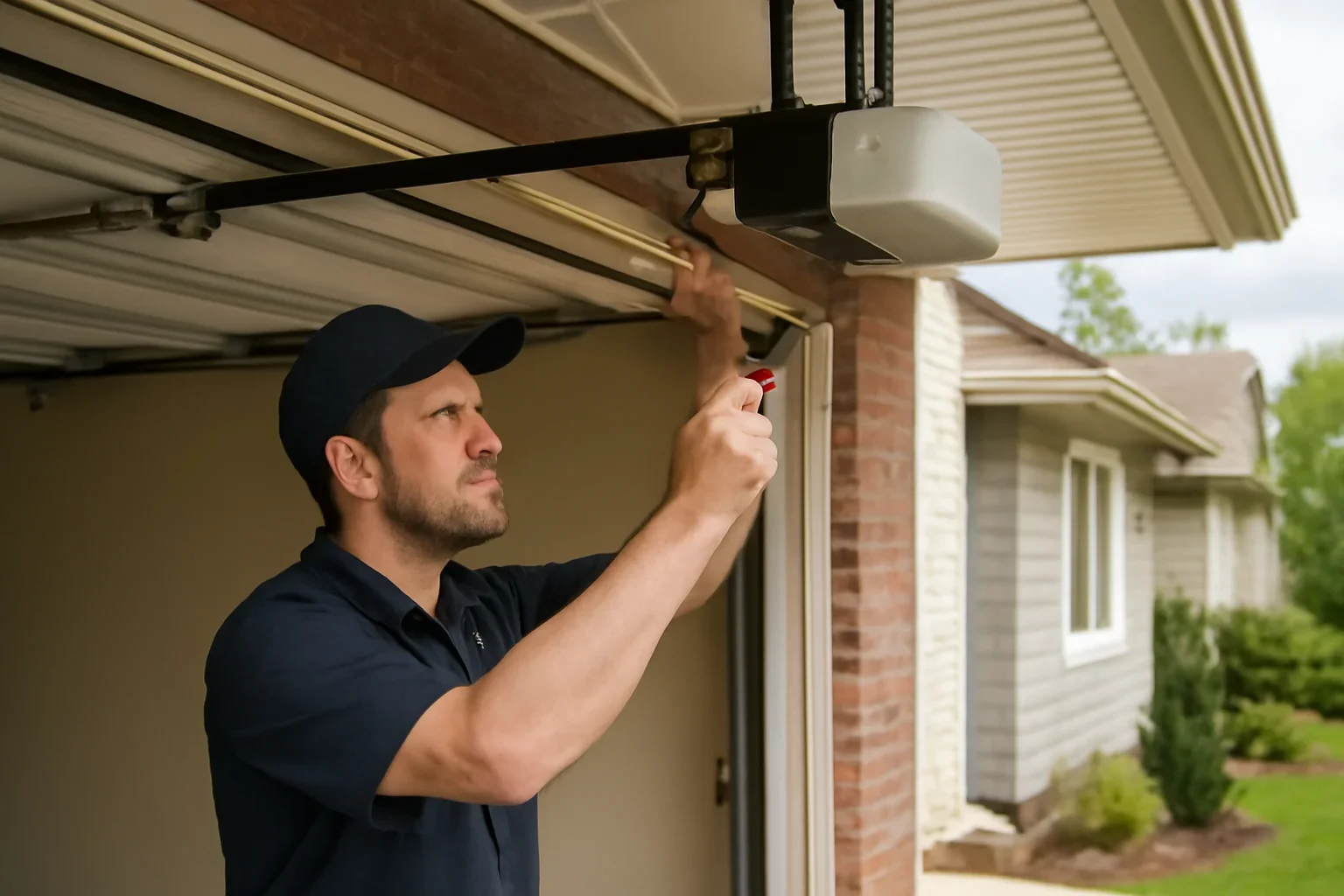
Separate the Fault
Not always. The opener is designed to operate a garage door that is already balanced and able to travel properly. A mechanical door fault can overload the opener or make it appear defective.
A heavy garage door is not an opener-strength problem. If the door has become unusually heavy, crooked, binding or unstable, stop treating it as an opener-only fault and have the mechanical door system assessed.
A failed remote, keypad or programming issue can be isolated from the rest of the opener when another control still activates the system normally.
Blocked, misaligned, damaged or otherwise malfunctioning sensors can interrupt the closing command. The sensor path and indicators should be checked before increasing force or changing other settings.
The drive mechanism, trolley or rail may be involved, but the door itself also needs to move appropriately. A binding or poorly balanced door can create excessive load on the operator.
Start with Maple Ridge garage door repair . A suspected lifting-system problem may need Maple Ridge spring repair instead of opener work.
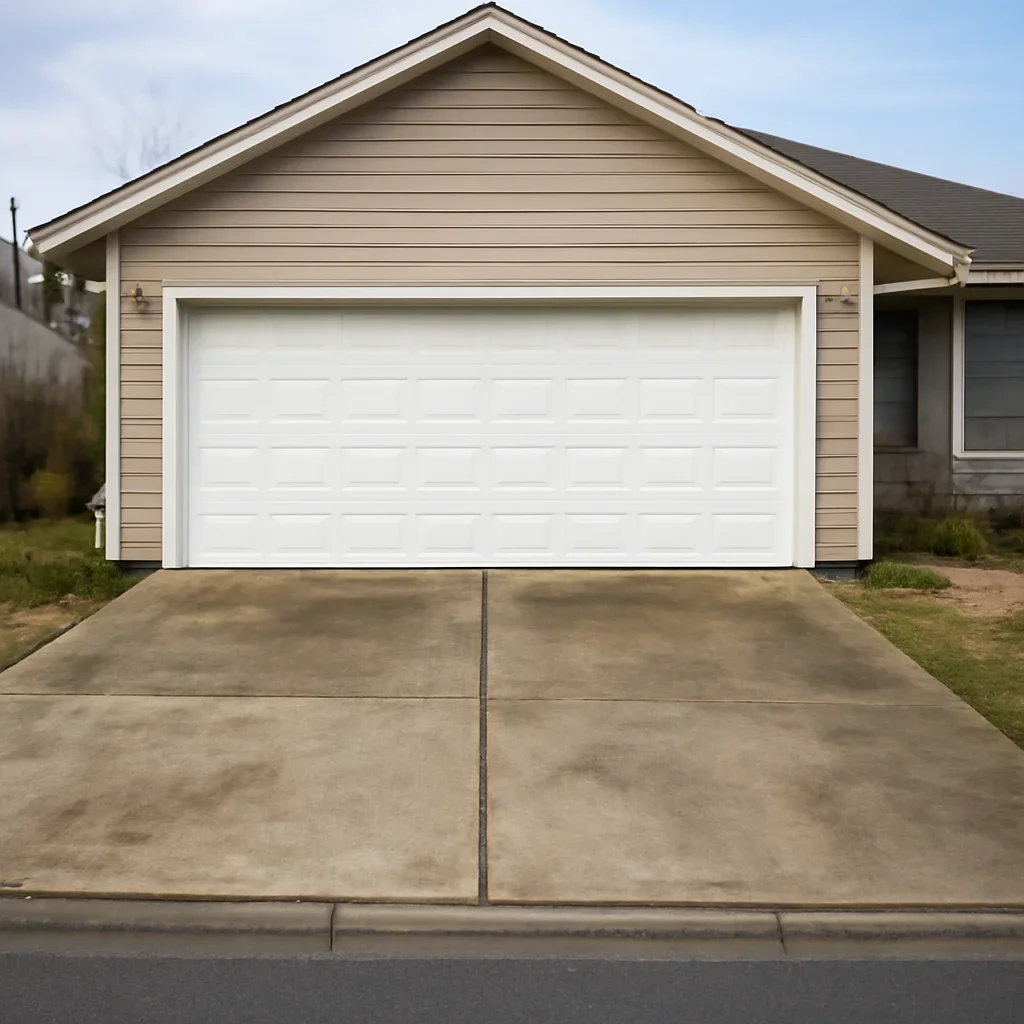
Maple Ridge Property Context
Location matters most when it changes the physical garage or how the system is used. Maple Ridge's housing mix makes those differences worth checking during diagnosis.
Opener Diagnosis
Diagnosis should move from the command being sent to the opener, through its safety and drive systems, and then back to the mechanical garage door.
Establish whether the opener has power and what happens when a command is given. No response, humming, clicking, partial movement and normal motor operation point in different diagnostic directions.
Compare the controls rather than grouping them together. If the wall button works but one remote does not, the fault is different from an opener that ignores every control.
Check whether the sensor path is blocked and whether the sensor indicators show normal alignment. A closing fault should not be bypassed by simply increasing opener force.
Determine whether motor movement is being transferred correctly through the opener's drive system and trolley to the garage door.
A door that stops too early, continues too far or reverses at a consistent point may require travel-related diagnosis, but resistance in the garage door itself must also be ruled out.
The opener should not be used to compensate for a heavy or binding door. Spring condition, rollers, tracks and the mechanical door system may need repair before the opener can operate normally.
Once the failed area is understood, the next step can be narrowed to an accessory or control issue, adjustment, repairable opener component, related door repair or complete opener replacement.
Remote, Keypad or Wall Control?
Which control works can help narrow the fault before anyone assumes the complete motor unit needs replacement.
Check that remote's battery and whether the problem follows only that device. A single failed remote is different from an opener that ignores every command.
If the wall control operates the door normally while wireless controls do not, the motor and mechanical door may still be working. Remote programming or wireless controls deserve closer attention.
Confirm that the opener has power and note whether it makes any sound, shows lights or displays indicators. That information helps separate a control issue from a power or internal opener fault.
A door that opens normally but refuses to close can point toward the safety-sensor path, obstruction, travel behaviour or another closing condition rather than a completely failed motor.
Record which control was used, whether the problem happens during opening or closing and whether lights, sounds or other indicators appear when the failure occurs.
Repair or Replace?
A malfunction does not automatically mean the opener should be replaced. The better choice depends on what failed, the overall condition of the unit, compatibility and what you need from the system.
when the problem is isolated, the opener otherwise operates appropriately and a serviceable control, sensor, drive or other component can reasonably restore operation.
when faults are recurring, a major required component is not practical or compatible to repair, or the existing opener no longer provides the functionality appropriate for the garage.
when the door is heavy, binding, crooked or otherwise mechanically unhealthy. Replacing the opener will not correct a counterbalance, spring, roller or track problem.
If replacement becomes the better path, door weight, ceiling layout, daily use and desired noise level can all affect opener selection.
Repair Process
The exact work depends on the opener and symptom, but the useful process is consistent: reproduce the problem, separate the systems, identify the failed area and choose the appropriate next step.
Test the relevant controls and note whether the motor runs, the door moves, lights flash or the problem occurs only during opening or closing.
Determine whether the automatic opener is malfunctioning or whether a mechanical garage-door problem is creating excessive resistance or abnormal movement.
Narrow the fault to controls, sensors, travel, drive components, internal opener components or a related garage-door issue.
Discuss the appropriate adjustment, repair, accessory replacement, related door service or complete opener replacement once the cause is clear.
Before Requesting Repair
Simple observations can make diagnosis easier. Avoid changing safety settings or handling the spring and lifting system just to test the opener.
Repair Cost
Cost depends on what has failed and whether the problem is actually inside the opener. A remote or sensor issue is a different job from a drive-system, internal-component or complete opener replacement.
Opener Repair Questions
The cause can be in the opener's drive system, trolley or connection to the door, but the mechanical garage door must also be checked. If the door is unusually heavy or binding, a spring or other door-system problem may be placing excessive load on the opener.
A blocked or problematic safety-sensor path is one common cause, but resistance in the door, an obstruction or travel-related issue can also be involved. The closing fault should be diagnosed rather than bypassing safety features or simply increasing force.
That pattern suggests the complete opener may still be responding normally. Check the remote battery and whether the fault affects only that device. Programming, the remote itself or wireless controls may need attention.
Often, depending on the fault. An isolated control, sensor, adjustment or serviceable component problem does not automatically require a new opener. Replacement becomes worth comparing when a major repair is impractical, faults are recurring or the existing unit is no longer appropriate for the garage.
Yes. The springs are intended to counterbalance the weight of the garage door. The motor operator should not be relied on to lift a badly unbalanced or unusually heavy door. If the door itself has become heavy, start with the mechanical garage-door system.
You can safely check for obvious obstructions or whether a sensor has visibly shifted, following the opener manufacturer's instructions. Do not bypass the sensors or alter force settings to make the door close despite a safety fault.
First identify where the noise comes from. Rollers, hinges, tracks or an unhealthy mechanical door can create noise that a new opener will not fix. If the operator itself is the source and replacement makes sense, compare chain and belt garage door openers alongside the garage's actual layout and door.
It depends on the diagnosis. A remote, keypad or sensor problem has a different scope from a drive-system, motor-related or full opener replacement job. Review the garage door pricing information for the main factors, then request service for the specific opener and symptom.
Request Maple Ridge Opener Repair
Share your Maple Ridge location, opener brand if known, which remote, keypad or wall controls still work, what the motor sounds like and how the door moves. If the door itself is heavy, crooked or visibly damaged, mention that too so the problem is not treated as opener-only.