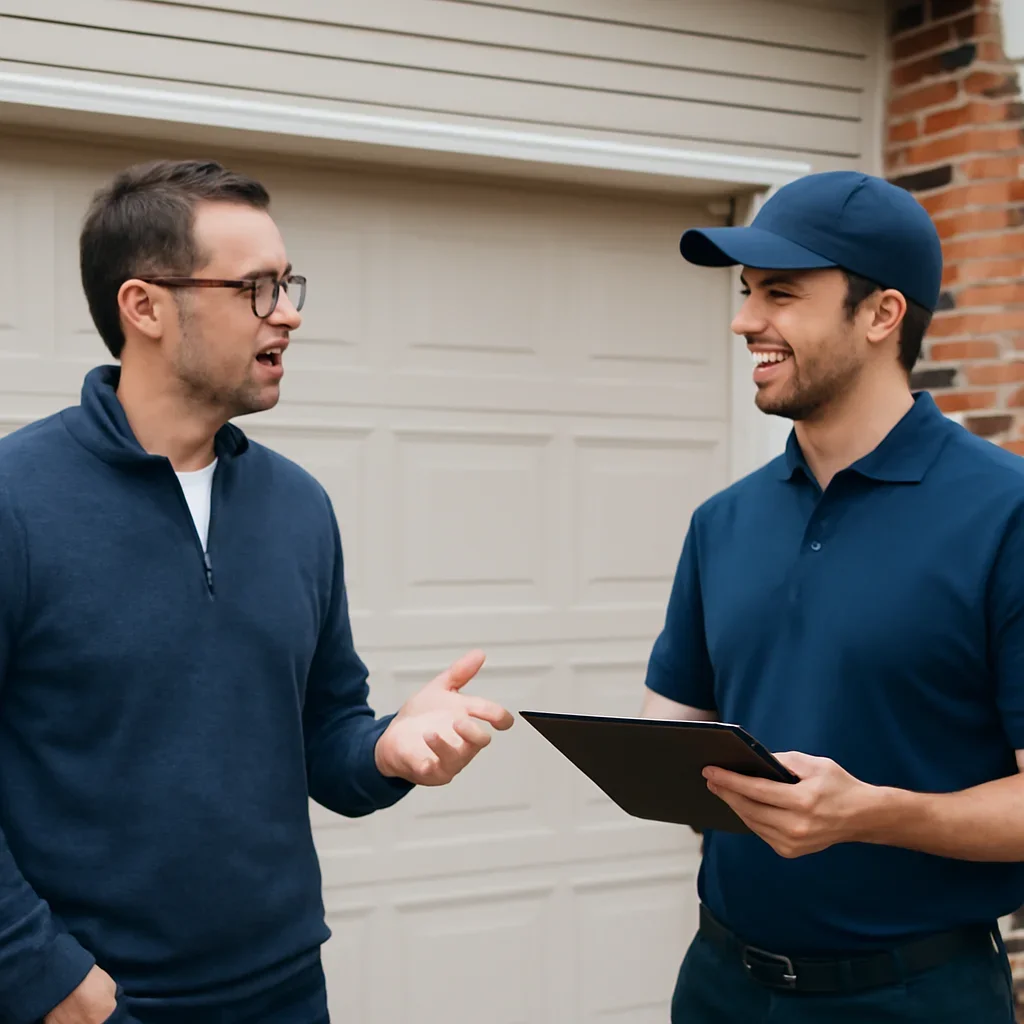
Start with changes in behaviour
Discuss new sound, vibration, movement, seal problems, opener behaviour and how frequently the door is used.
New Westminster · Garage Door Maintenance
Keep a working garage door moving smoothly by checking balance, rollers, hinges, tracks, visible lifting hardware, weather seals and opener safety before normal wear becomes a repair problem.
A useful tune-up is more than adding lubricant. It should separate routine maintenance from a spring, cable, opener or track problem that has already developed.

Choose The Right Service
Maintenance is appropriate when the door is still stable and functioning and the goal is inspection, routine care or catching wear early. A failed component needs repair.
Routine inspection, manufacturer-appropriate lubrication, hardware checks, seal review and safety testing fit this service.
Early changes can come from rollers, hinges, hardware, balance or opener vibration and are worth investigating before operation becomes unreliable.
Broken springs, loose cables, displaced rollers and an off-track door are no longer routine maintenance concerns.
New Westminster garage door repairIf the garage cannot secure, a needed vehicle is trapped or the door appears unstable, explain the urgency rather than waiting for routine maintenance.
New Westminster emergency garage door repairMaintenance Checklist
The door and opener work as one system. Preventive maintenance should look beyond the loudest component and check how the complete door is moving.
Check whether the door moves freely and whether the counterbalance system is supporting controlled movement.
Inspect visible wear, rough rotation, looseness and areas contributing to abnormal noise or vibration.
Look for obvious damage, debris, mounting concerns and locations where the door appears to rub or bind.
Visually inspect accessible components for deterioration, separation, fraying or another clear sign of failure.
Review panels, hinges and attachment points for visible damage that could interfere with normal movement.
Check the bottom and perimeter sealing for flattened, split or missing material and obvious gaps around the closed door.
Review normal travel, controls and relevant safety/reversal functions according to the operator manufacturer's instructions.
Lubricate only the components and points recommended for the particular garage-door system.
New Westminster Service Context
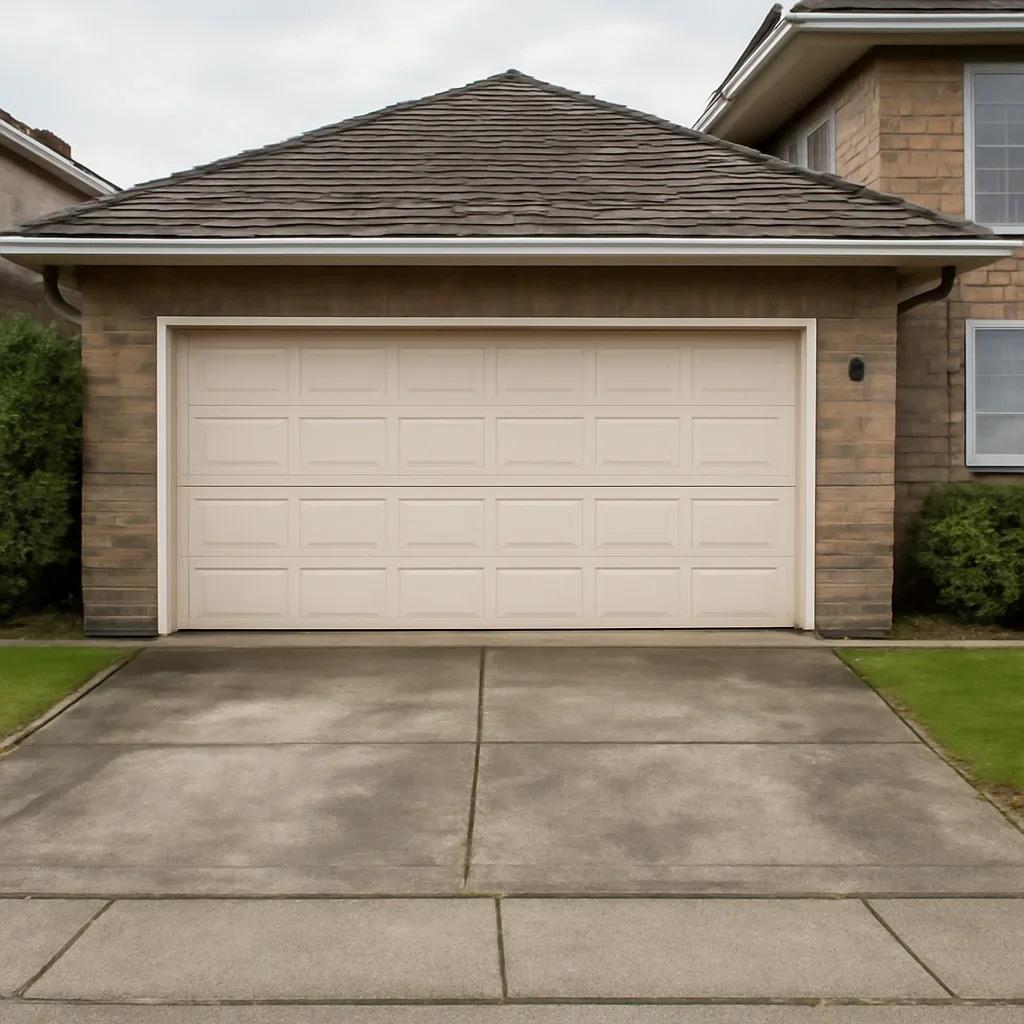
New Westminster has permitted laneway and carriage houses since 2017 and expanded ground-oriented infill permissions in June 2026. That creates meaningful variation in garage access and site layout.
The useful local questions are whether the garage is street- or lane-accessed, whether it is detached, whether several units share the property, and whether runoff or debris actually reaches the opening.
Between Service Visits
Regular observation can catch changes early. The goal is to watch and inspect the system, not to adjust loaded spring or cable components.
Maintenance and safety-testing instructions can vary by model. The manufacturer's instructions should guide lubrication, adjustment and testing for the installed system.
Notice new vibration, hesitation, crooked movement, unusual sounds or a different closing position.
Look for obvious wear or damage on rollers, hinges, panels, seals and exposed components without loosening anything.
Leaves, dirt and stored objects should not interfere with the closing path or accessible sensing area.
Automatic reversal and photoelectric sensors should be checked regularly according to the opener manual.
These components can be connected to substantial spring tension and should not be loosened or repositioned as routine DIY maintenance.
Professional Maintenance
Maintenance should identify how the system is currently operating, address appropriate routine items and flag anything that has already become a repair issue.
Discuss new sound, vibration, movement, seal problems, opener behaviour and how frequently the door is used.
Check relevant rollers, hinges, tracks, door balance, visible lifting components, seals and automatic operation.
Complete suitable lubrication and routine maintenance according to the condition and requirements of the installed system.
If inspection finds failed or unsafe components, identify the relevant repair rather than masking the problem with a tune-up.
Maintenance Has Limits
Preventive maintenance is useful before a failure. Once balance, stability or automatic operation is lost, use the service path that matches the actual problem.
A broken or weakened spring can remove normal counterbalance and make the door difficult to move.
Spring RepairCable, drum, roller or track problems can create an unstable lifting condition.
Cable & Track RepairRemote, keypad, wall control, sensor, travel or operator faults should move to dedicated opener diagnosis.
Opener RepairUse broad garage door repair when springs, tracks, cables, rollers and the opener could all be contributing.
Garage Door RepairA stuck-open door, trapped vehicle or unstable door should be described as an urgent service situation.
Emergency RepairOpener Maintenance
The opener should automate a freely moving, properly balanced garage door and its safety systems should continue to respond as intended.
A door that suddenly becomes difficult to move can indicate a counterbalance or mechanical problem rather than a weak opener.
Check for ordinary obstruction or displacement and follow the opener manufacturer's instructions for testing the sensor system.
DASMA recommends monthly inspection and testing of automatic opener safety functions. A failed safety test should be addressed, not bypassed.
Inconsistent remote, keypad or wall-control behaviour can be useful early evidence of an opener or accessory problem.
Maintenance Timing
Regular homeowner observation should happen more often than professional service, and a new symptom should not wait for an arbitrary maintenance date.
Its garage-door safety guidance also says an annual visit from a trained door-system technician can help keep the door operating safely and smoothly. The manufacturer's instructions remain the primary guide for each specific door and opener.
Watch the door operate and look for changes in movement, sound, visible hardware and opener safety behaviour.
A door used many times each day may show wear differently from a lightly used residential garage.
Check the threshold and seals more closely where debris or water regularly reaches a rear-lane or exposed opening.
Existing wear, older hardware or a history of repairs can make condition-based inspection more important.
Do not wait for annual maintenance when a door becomes heavy, crooked, unstable or stops operating normally.
Maintenance Cost Factors
The maintenance scope depends on the installed door, opener and current condition. A routine tune-up and repairing an already failed component are different jobs.
Maintenance Questions
These answers focus on preventive care, safe inspection and recognizing when a problem has moved beyond routine maintenance.
Maintenance should consider door movement and balance, rollers, hinges, tracks, visible spring and cable condition, weather seals, opener operation and relevant safety functions. Lubrication is only one part of a useful tune-up.
DASMA recommends monthly homeowner safety checks and maintenance and says an annual visit from a trained door-system technician can help keep the door operating safely and smoothly. Follow the owner's manuals for your specific door and opener.
No. Noise can come from rollers, hinges, hardware or normal maintenance needs, but worsening noise can also point to poor balance or a damaged component. Identify the cause before assuming that adding lubricant will solve it.
Some components may require periodic lubrication, but products and lubrication points vary by garage-door system. Follow the manufacturer's maintenance instructions. Lubrication does not repair broken springs, damaged cables or poor balance.
No. Springs, spring-connected cables and bottom brackets can carry substantial tension. Routine homeowner inspection should remain visual rather than loosening or adjusting these components.
It can affect practical access and the amount of debris or runoff reaching a particular opening, but it does not change how the garage-door mechanics work. Mention lane access and any recurring threshold conditions when requesting maintenance.
Move to repair when the door is stuck, crooked, unusually heavy, off track or has a visibly failed spring, cable, roller or opener component. If the cause is unclear, use New Westminster garage door repair .
Cost depends on the door and opener configuration, current condition, number of openings and whether inspection identifies repairs outside routine maintenance. Review the garage door pricing information and describe any existing symptoms when requesting service.
Request New Westminster Maintenance
Share the New Westminster address, whether the garage is street- or lane-accessed, approximate door age if known, and any new noise, vibration, rough movement, seal gaps or opener behaviour.