Start with your observations
Noise, shaking, slower movement, sealing problems and usage history provide useful context before inspection.

Garage door maintenance is most valuable while the system is still working. Changes in noise, movement, hardware condition, sealing or opener behaviour can provide early warning that something needs attention before the door becomes stuck or a component fails.
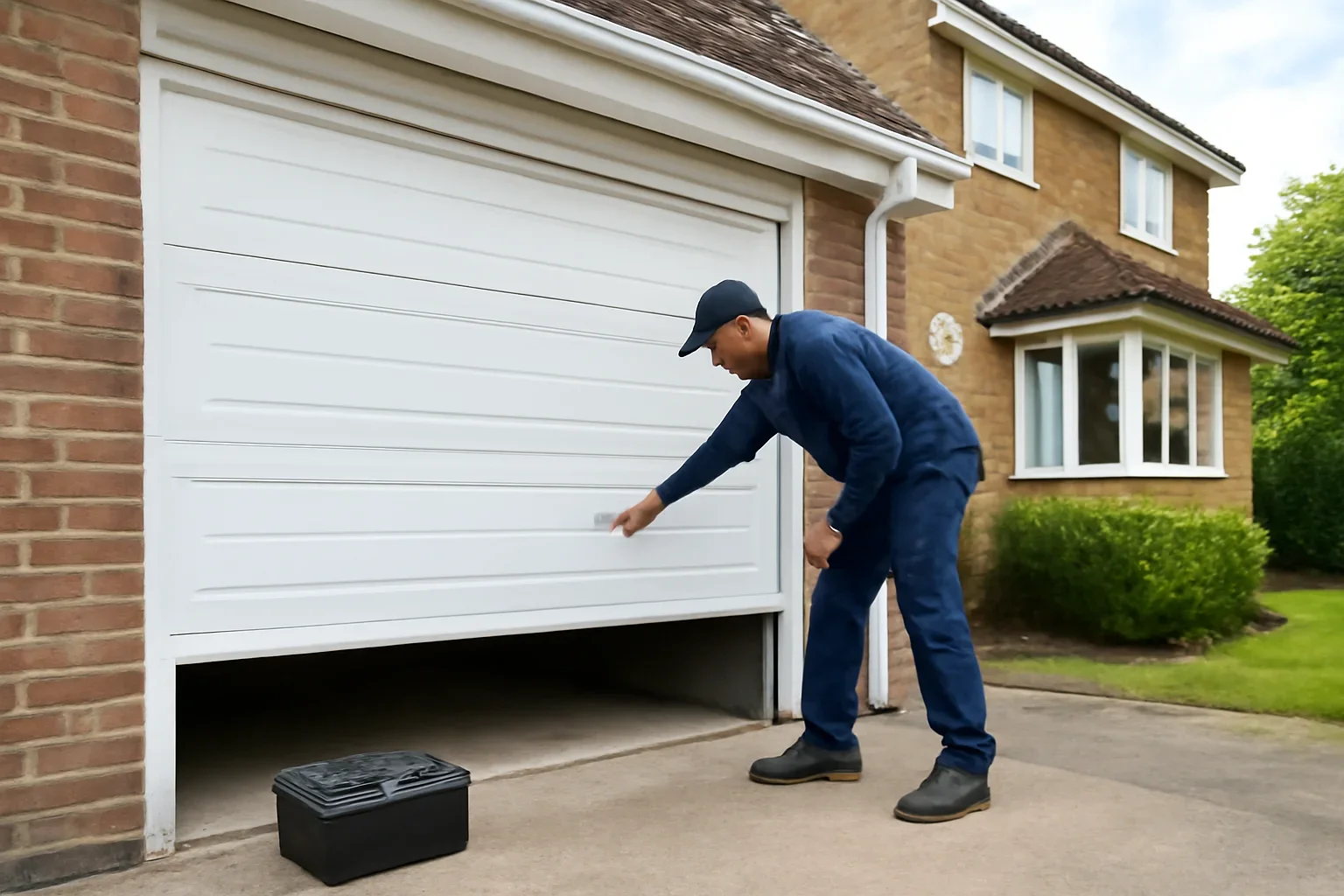
The goal is not to replace working parts on a schedule. It is to notice changes in the door, identify developing wear and separate routine upkeep from problems that already need repair.
New squeaks, rattles or grinding sounds can justify inspection. Noise is a symptom, not a diagnosis, so the source should be identified before assuming lubrication will solve it.
Shaking, hesitation, uneven travel or a change in closing behaviour may point to wear, adjustment needs or a developing repair issue.
Damaged weather seals, worn rollers or visibly changing hardware are easier to address when found before the door stops operating.
The number of operating cycles affects component wear. Tell us how the garage is used rather than relying only on the age of the door.
A useful tune-up looks at how the complete door system operates. The exact maintenance required depends on the door, opener, manufacturer guidance and condition found.
Changes in movement can reveal resistance, imbalance or another mechanical condition that deserves closer attention.
Components can be checked for wear, looseness, damage and movement that no longer appears normal.
High-tension hardware should be visually assessed for signs of failure or deterioration. Adjustment is not routine homeowner maintenance.
Lubrication should follow the door and opener manufacturer's instructions instead of applying grease indiscriminately to every moving component.
Controls, safety sensors, reversal behaviour and changes in opener sound can provide useful information about the complete garage entry system.
Bottom and perimeter seals can be checked for cracking, compression, gaps or other deterioration around the opening.
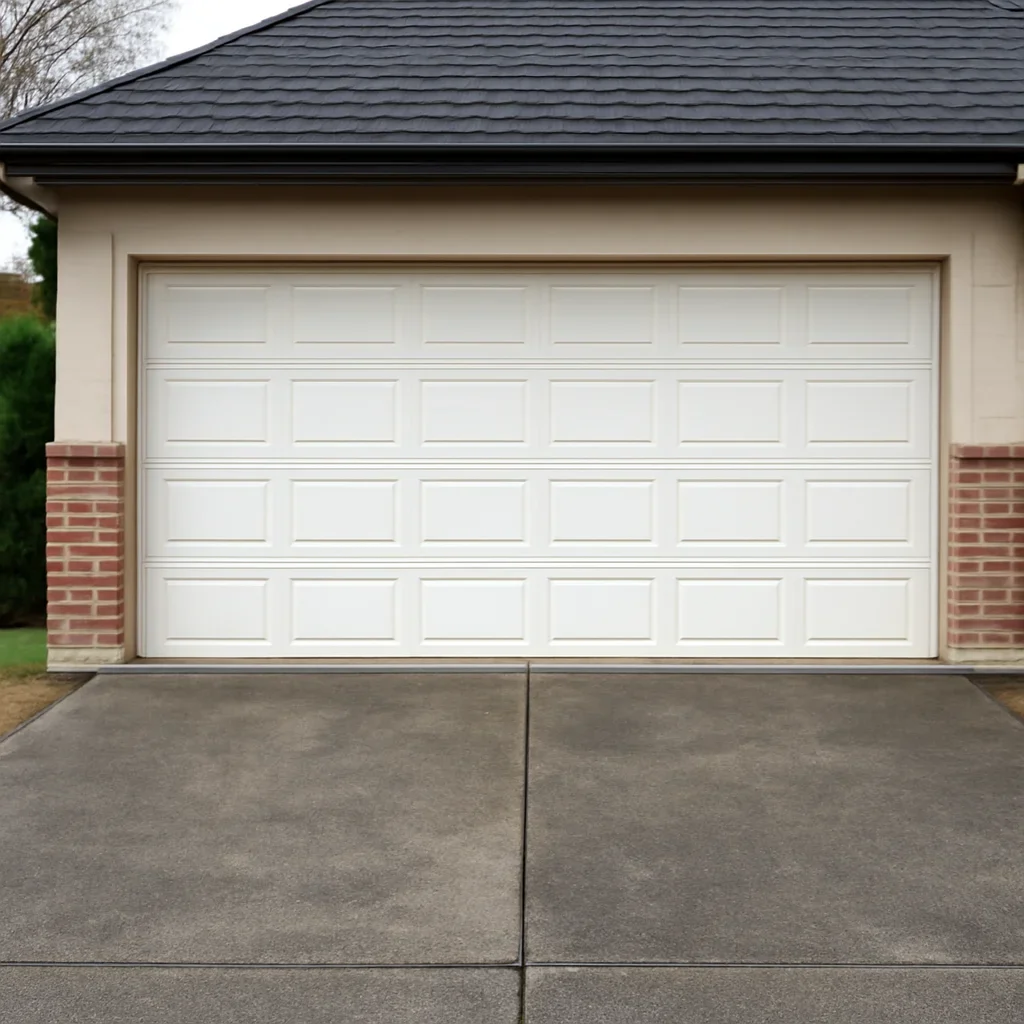
Surrey's current residential framework includes detached houses, duplexes, houseplexes, detached garages and coach-house configurations. The City defines a coach house as a dwelling located above or attached to a detached garage.
For maintenance, that means garage configuration, door size, frequency of use, opener placement and proximity to living space can be more useful than making broad assumptions about one Surrey neighbourhood.
Changes in vibration or opener noise may be more noticeable where living space shares walls or ceilings with the garage.
Usage, access and opener setup can differ from a garage used as the household's main entrance.
Surrey permits residential space above or attached to some detached garages, making smooth operation and noise especially relevant to those configurations.
A door used repeatedly every day should be assessed based on its actual operating condition rather than age alone.
Preventive maintenance is intended for an operating system that needs inspection and upkeep. A broken, unstable or non-operating component should be treated as a repair rather than disguised as a tune-up.
Make note of new squeaks, rattles, grinding, clicking or changes in opener sound.
Look for shaking, hesitation, uneven movement or a change in where the door stops.
Without touching tensioned parts, note cracked weather seals, visibly worn rollers or hardware that appears different.
Use model-specific guidance for safety tests, maintenance intervals and appropriate lubrication points.
Preventive service should leave you with a clearer understanding of what is operating normally, what is wearing and whether anything has already become a repair issue.
Noise, shaking, slower movement, sealing problems and usage history provide useful context before inspection.
Relevant door movement, rollers, hinges, visible hardware, seals and opener behaviour can be considered together.
Maintenance should follow the equipment and condition found rather than applying the same treatment to every door.
Broken or unsafe components can be identified as repair issues instead of being hidden inside a vague maintenance recommendation.
Preventive inspection sometimes confirms that another service is the right next step. These verified pages help narrow the issue without forcing every problem into maintenance.
For binding, damaged hardware, unstable movement or another general garage-door fault.
Spring problemFor a visibly broken spring or door behaviour suggesting a counterbalance issue.
Opener problemFor sensor, control, drive or opener behaviour that needs diagnosis.
Cable, roller or track issueFor visible cable problems, worn rollers, damaged track or uneven movement associated with those components.
Weather seal deteriorationFor damaged bottom or perimeter seals that need replacement rather than routine cleaning or inspection.
These answers focus on the practical questions homeowners should resolve before deciding whether preventive service or repair is the better next step.
Maintenance should begin with inspection of door operation and visible component condition. Depending on the equipment, that can include rollers, hinges, relevant hardware, weather seals, opener behaviour, safety devices and manufacturer-approved lubrication points.
There is no single maintenance interval appropriate for every door and opener. Follow the manufacturer instructions for your equipment and pay attention to usage and condition.
A new sound, change in movement or visible deterioration is a reason to investigate rather than waiting for a calendar date.
No. Some noise can be related to maintenance needs, but noise by itself does not identify the cause. Worn rollers, loose hardware, alignment, door balance or opener problems can also contribute, so the source should be identified first.
Follow the instructions for your specific door and opener. Manufacturer guidance identifies particular lubrication points and products for particular systems, so spraying every visible track or component is not a substitute for proper maintenance.
No. Components can still wear out or fail. Maintenance is useful because it can identify changes, visible wear and developing problems earlier; it should not be presented as a guarantee that a future breakdown cannot occur.
No. A visibly broken spring is already a repair issue rather than routine maintenance.
Review garage door spring repair in Surrey and avoid trying to adjust the spring yourself.
Cost depends on the scope of inspection and whether separate repairs or replacement components are found to be necessary. Preventive maintenance and repair are not the same scope.
Review the garage door pricing page and describe the door and any symptoms when requesting service.
Share the approximate age if known, how frequently the door is used, whether the garage is attached or detached, and any changes in noise, movement, sealing or opener behaviour. Those details provide a better starting point for preventive maintenance.
