The door will not close or reverses
The closing path, safety reversing sensors and opener settings are logical starting points. Dirty, blocked or misaligned sensors can prevent normal closing on compatible opener systems.

Delta, British Columbia
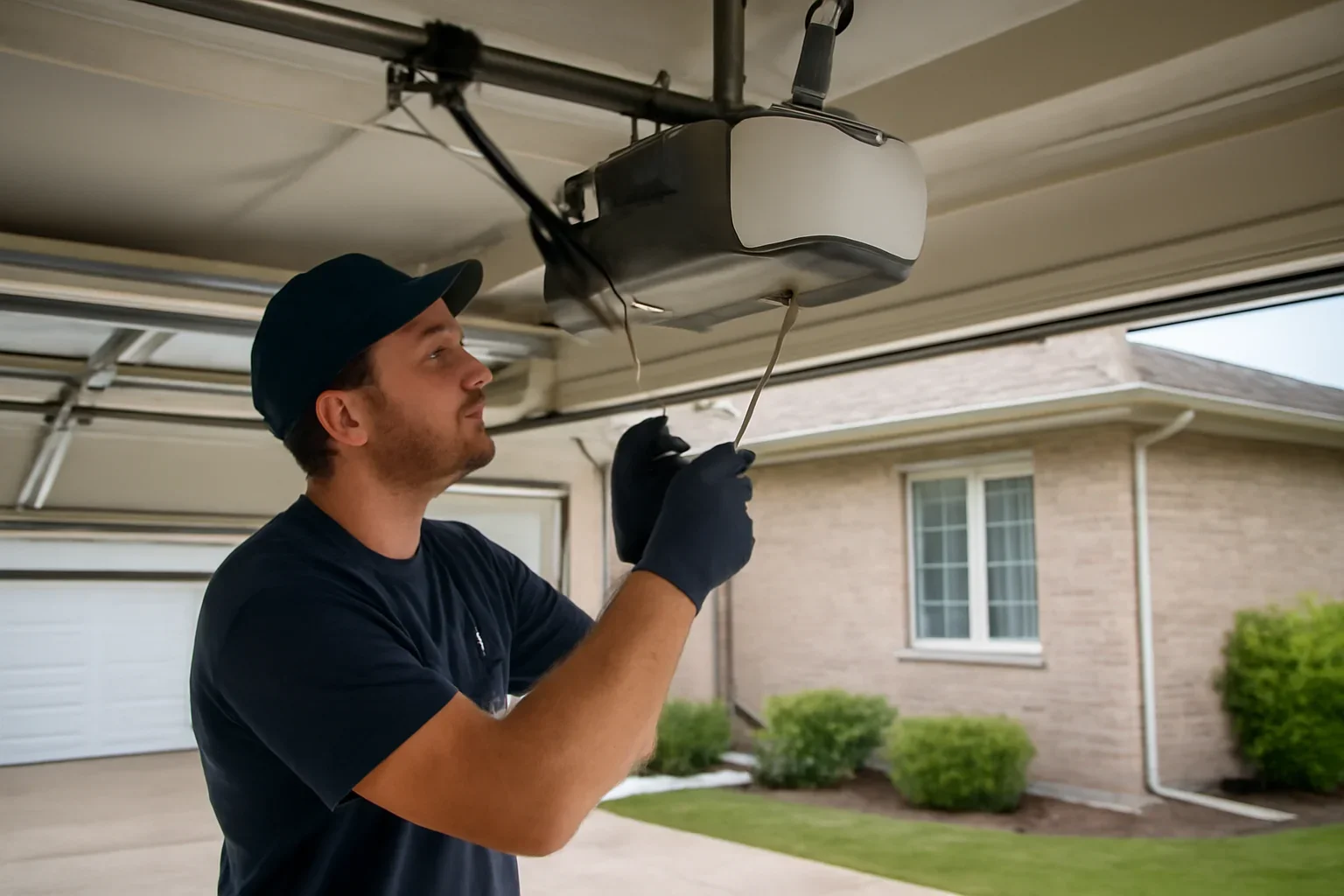
If the motor runs but the door does not move properly, the door reverses, a remote or wall control stops responding, or the opener has become unreliable, the first job is finding out where the fault actually is. The opener, safety sensors and moving garage door system need to work together.
Start With Diagnosis
A garage door opener is designed to move a door that already travels properly. If the door is binding, unusually heavy, uneven or obstructed, replacing opener parts may not solve the underlying problem.
See Delta garage door repair →The closing path, safety reversing sensors and opener settings are logical starting points. Dirty, blocked or misaligned sensors can prevent normal closing on compatible opener systems.
The motor unit may not be the only issue. The rail, trolley, travel settings and the garage door's own movement should be considered together before deciding what needs repair.
Start by identifying which controls work and which do not. A fault isolated to one remote is different from a system that does not respond to any control.
Stop treating this as an opener-only problem. A heavy, binding or poorly balanced door can point to the spring or moving door system and should be assessed before the opener is forced to keep lifting it.
Safety point: do not loosen or adjust garage door springs, cables, brackets or other components held under high tension. If the door is unusually heavy, crooked, unstable or has visible spring or cable damage, use the appropriate Delta spring repair or garage-door repair path instead.
Delta-Specific Context
North Delta, Ladner and Tsawwassen are physically distinct communities. For opener repair, that matters less than the actual condition of the door, but it is still useful context for access, garage configuration, moisture exposure and ongoing maintenance.
Repair Scope
A useful service assessment separates an opener fault from a door problem instead of replacing parts based only on the first symptom.
Check how the opener responds to the wall control, remotes and keypad, and whether the motor unit has power or is displaying diagnostic lights or codes.
Inspect the sensor path, alignment, wiring and indicators when the door refuses to close or reverses unexpectedly.
Determine whether the opener is transferring movement correctly and whether the door reaches its expected open and closed positions.
Check whether the garage door itself moves properly. Binding, excessive resistance or an unusually heavy door can make an opener appear defective when another component needs attention first.
Once the cause is clear, the practical next step may be adjustment, control or sensor work, component repair, related door repair, or a replacement opener.
Repair or Replace?
Replacement is not automatically the right answer because an opener stopped working. The decision depends on the fault, condition of the unit, parts availability, compatibility with the door and what you need the system to do.
the problem is isolated, the opener otherwise operates normally, the door itself is in suitable condition and a serviceable component or adjustment can reasonably correct the fault.
the unit has recurring faults, major components are no longer practical to service, the opener is a poor match for the door, or the homeowner wants functions the existing system cannot provide.
the garage door is heavy, binding, crooked, off-track or has spring, cable or other mechanical problems. A new opener should not be used to compensate for a door that does not move properly.
A remote or sensor issue is a different scope from motor, rail, control-board or full opener replacement work. Review the garage door pricing information for the factors that can affect the job.
Service Process
The exact repair depends on the model and fault, but the decision should follow a logical diagnosis rather than a guessed component.
Check what happens from the relevant controls and note any stopping, reversing, noise, lights or inconsistent operation.
Determine whether the problem is inside the opener system or whether the moving garage door is contributing to the fault.
Narrow the problem to controls, sensors, travel, drive components, motor-system components or another part of the door.
Discuss the appropriate repair, adjustment, related door service or replacement path once the cause has been established.
Before You Request Service
You do not need technical terminology. A short description of the behaviour is usually more useful than guessing which component failed.
Common Questions
An obstruction or safety-sensor problem is one possible cause, but it is not the only one. The sensor path and alignment should be checked along with door resistance and the opener's travel behaviour before deciding what needs repair.
The fault may involve the opener's drive system, but the garage door itself also needs attention. If the door is binding or unusually heavy, the spring or other mechanical components may be contributing to the problem.
Often, depending on the fault and condition of the opener. Controls, sensors, settings and serviceable components can create problems that do not automatically require a new unit. Replacement becomes more relevant when the existing opener has major or recurring problems, lacks suitable parts, or no longer meets the property's needs.
No. If one remote fails while the wall control and another remote work normally, the issue may be isolated to that control or its programming. If none of the controls operate the opener, the diagnosis needs to move farther into the system.
It is better to stop and have the door assessed. An opener is intended to move a properly operating door, not compensate for excessive weight, binding or a failed spring. Do not attempt to adjust high-tension spring or cable components yourself.
It can affect what deserves inspection, but not every property has the same exposure. On more exposed or moisture-prone sites, weather seals and exterior hardware condition may warrant closer attention. The actual condition of the garage should determine the maintenance plan.
It depends on what has failed. A control, sensor or adjustment issue is different from drive-system, motor-component or complete opener replacement work. See the garage door pricing page for the main factors, then request a diagnosis for the specific opener and door.
Request Service
Share your Delta location, opener brand if known, which controls are working, and what happens when the door is activated. If the door is crooked, unusually heavy or visibly damaged, mention that too.