The door still operates normally
Preventive inspection makes sense for developing noise, normal hardware wear, lubrication specified by the manufacturer, deteriorating weather seals and routine safety checks.

Preventive Garage Door Care · Maple Ridge, BC
Garage door maintenance is most useful while the door still operates normally. Inspection, manufacturer-appropriate lubrication, safety checks and attention to early wear can identify developing problems before they become a more disruptive repair.
Maple Ridge includes urban, suburban and rural residential settings, so maintenance should account for the actual door size, garage layout, daily use, exterior exposure and condition of the property rather than relying on one city-wide checklist.
Choose the Right Service
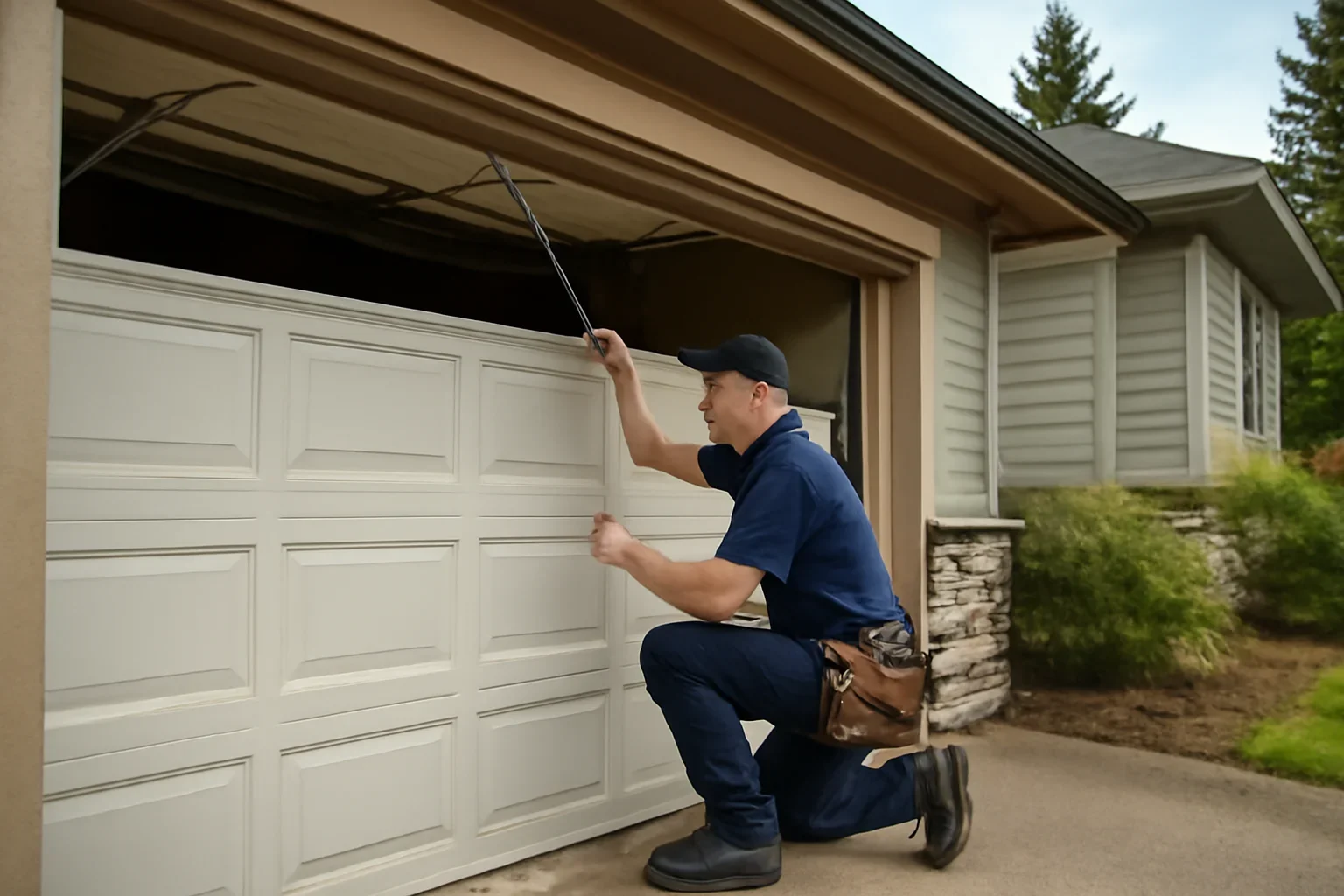
Maintenance is appropriate when the garage door generally works and you want preventive care. An active failure needs the appropriate repair service instead.
Stop routine maintenance when the door appears unstable. A crooked, off-track, unexpectedly heavy or visibly damaged door should not be repeatedly operated just to complete a maintenance check.
Preventive inspection makes sense for developing noise, normal hardware wear, lubrication specified by the manufacturer, deteriorating weather seals and routine safety checks.
A mechanical failure needs diagnosis rather than a tune-up. Start with garage door repair in Maple Ridge .
A failed or damaged spring can change the weight and balance of the entire door. Do not adjust the spring system yourself. Use Maple Ridge garage door spring repair .
Remote, keypad, safety-sensor, wall-control or motor problems may require Maple Ridge garage door opener repair instead of mechanical maintenance.
Maple Ridge Maintenance Context
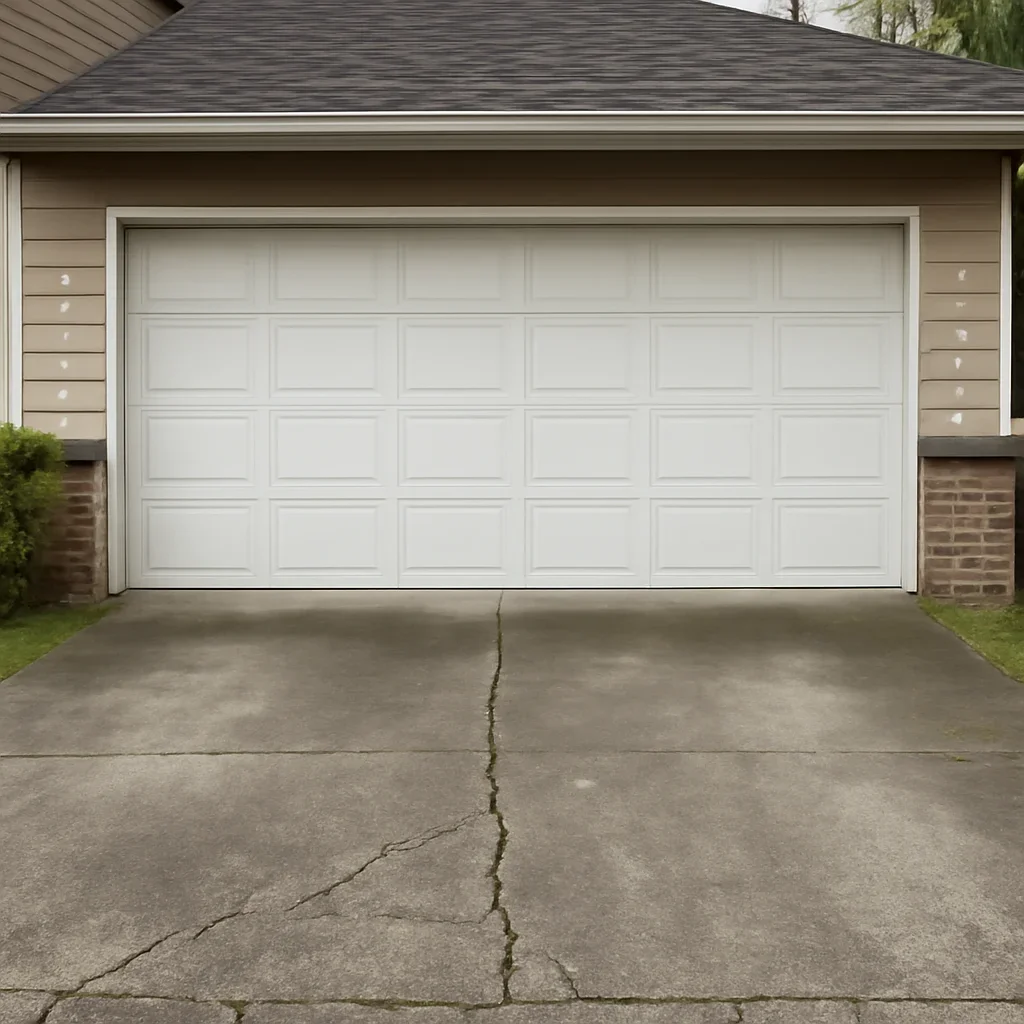
Local relevance matters when it changes the garage configuration or conditions around the door. A compact attached garage and a detached workshop can require different maintenance attention even within the same city.
Maintenance Scope
Garage door maintenance should look at the complete operating system, not simply spray lubricant onto whatever is making noise.
Look for visible damage, loose-looking hardware, deteriorated hinges, worn rollers, panel movement and anything else that has changed from the door's normal condition.
The door should travel without severe shaking, binding or a sudden change in effort. Abnormal movement can indicate a mechanical fault that requires repair rather than continued adjustment.
Check roller wear and keep track surfaces free of dirt and debris. Do not assume the tracks themselves should be coated with lubricant; follow the maintenance instructions for the specific door and hardware.
Lubrication requirements vary with hinges, rollers, bearings, springs and other components. The door manufacturer's instructions should determine the product and application points instead of a one-product-for-everything approach.
Inspect visually for obvious damage or abnormal condition, but do not loosen, wind or adjust springs, bottom brackets, lift cables or supports connected to the counterbalance system.
Where an automatic opener is installed, the sensor area, closing path and manufacturer-specified reversing tests should be part of routine safety awareness.
Look for flattened, cracked or missing sealing material, visible gaps and recurring debris or moisture at the threshold. If the seal has deteriorated beyond routine care, see garage door weather seal replacement .
Maintenance should identify significant roller wear, frayed cable, spring damage, track damage, unstable travel or an opener fault instead of trying to hide the symptom with lubrication or adjustment.
Maintenance Frequency
Start with the maintenance requirements in the manuals for your specific garage door and opener. Regular homeowner observation can then be combined with periodic professional inspection.
DASMA recommends monthly visual and safety checks and an annual visit from a trained door-system technician. That is industry safety guidance, not a Maple Ridge municipal requirement.
Notice changes in sound and movement. New scraping, rattling, hesitation, shaking or uneven travel is more useful than waiting for a calendar reminder after a problem has already developed.
Look for visible wear or damage, inspect seals, keep the doorway and sensor area clear and follow the opener manufacturer's instructions for prescribed safety tests.
Follow model-specific instructions for lubrication, inspection, cleaning and testing because hardware and maintenance requirements differ between door and opener systems.
A trained inspection can assess areas that should not be adjusted by the homeowner and can identify developing wear before it becomes a more disruptive failure.
Do not wait for scheduled maintenance after an impact, broken spring, loose cable, off-track condition, sudden heavy operation or other significant fault.
Between Service Visits
Homeowner maintenance should stay focused on observation, basic cleaning and manufacturer-approved tasks. High-tension lifting hardware is different.
Catch Wear Earlier
Preventive maintenance has the most value when a developing condition can be identified while the door still operates normally.
A new rattle can come from loose or worn hardware. Note when it occurs rather than automatically spraying the entire system with lubricant.
Squeaking, grinding or increasingly rough roller movement can justify closer inspection of the rollers, bearings and tracks.
A door beginning to shudder or hesitate can indicate changing resistance. Maintenance is the right time to determine whether wear is developing into a repair issue.
Flattened seals, daylight around the door or recurring dirt and leaves inside the threshold can indicate deteriorating perimeter sealing.
A fastener, hinge, roller or bracket that looks noticeably different from its previous condition deserves inspection rather than being ignored until movement becomes unreliable.
Reversing, intermittent response, sensor problems or unreliable controls may need opener diagnosis rather than additional mechanical-door maintenance.
Maintenance Process
The objective is not simply to make the door quieter for the moment. Maintenance should establish the condition of the system and identify the practical next step.
Look at the door sections, hinges, rollers, tracks, seals, lifting hardware and opener-related components for signs of wear or damage.
Consider noise, travel, resistance, closing position and whether the complete system moves as expected.
Complete applicable cleaning, lubrication or routine maintenance according to the door and opener requirements rather than applying the same treatment to every component.
If a spring, cable, roller, track, seal or opener fault is emerging, distinguish that repair requirement from normal preventive maintenance.
Maintenance Cost
The scope depends on the door, opener and what the inspection finds. Routine preventive care is different from a visit that discovers an active mechanical or opener repair.
Maintenance Questions
Garage door maintenance generally involves inspection of the door and hardware, operational checks, manufacturer-appropriate lubrication, weather-seal review and relevant opener safety checks. The exact work depends on the specific door, opener and what the inspection finds.
Follow the manufacturer's schedule for your door and opener. DASMA also recommends monthly homeowner visual and safety checks and an annual visit from a trained door-system technician. A new operating problem should be assessed when it appears rather than waiting for the next scheduled visit.
Generally, track surfaces should be kept clean rather than coated with lubricant. Lubrication requirements differ by manufacturer and hardware type, so follow the instructions for the specific door instead of spraying every moving surface.
Sometimes. Normal hardware wear, dirt or appropriate lubrication may contribute to noise, but grinding, strong vibration, binding or uneven travel can indicate worn or damaged components. The cause should be identified before assuming lubrication is the fix.
No. Springs and connected lifting hardware can be under substantial tension. Do not loosen or adjust springs, cables, bottom brackets or related supports as a homeowner maintenance task.
It can. Maple Ridge includes urban, suburban and rural residential settings. An attached residential garage and a detached workshop may have different door sizes, tracks, ceiling layouts and exterior exposure. Maintenance should respond to the actual property rather than the city name alone.
No. A stuck, severely crooked, off-track, unusually heavy or visibly damaged garage door has moved beyond preventive maintenance. Start with Maple Ridge garage door repair so the active fault can be identified.
Share your Maple Ridge location, property type, approximate door age if known, how the garage is used and anything that has changed, such as new noise, vibration, slower travel, seal deterioration or opener behaviour. Safe photos can also provide useful context.
Request Maple Ridge Maintenance
Share your Maple Ridge location, property type, how the garage door is used and any recent changes in sound, movement, seals or opener behaviour. If the door is already stuck, crooked, unusually heavy or visibly damaged, mention that so the request can begin with the appropriate repair service instead.