Springs & Counterbalance
Springs are visually checked for damage or abnormal condition and the door's balance can help reveal whether the counterbalance system requires professional attention. Spring adjustment is not a casual DIY maintenance task.
Garage door maintenance is a chance to find developing wear before it becomes a stuck door, damaged hardware or an opener working harder than it should. The focus is the complete system: door movement, springs, cables, rollers, hinges, tracks, seals and opener safety functions.
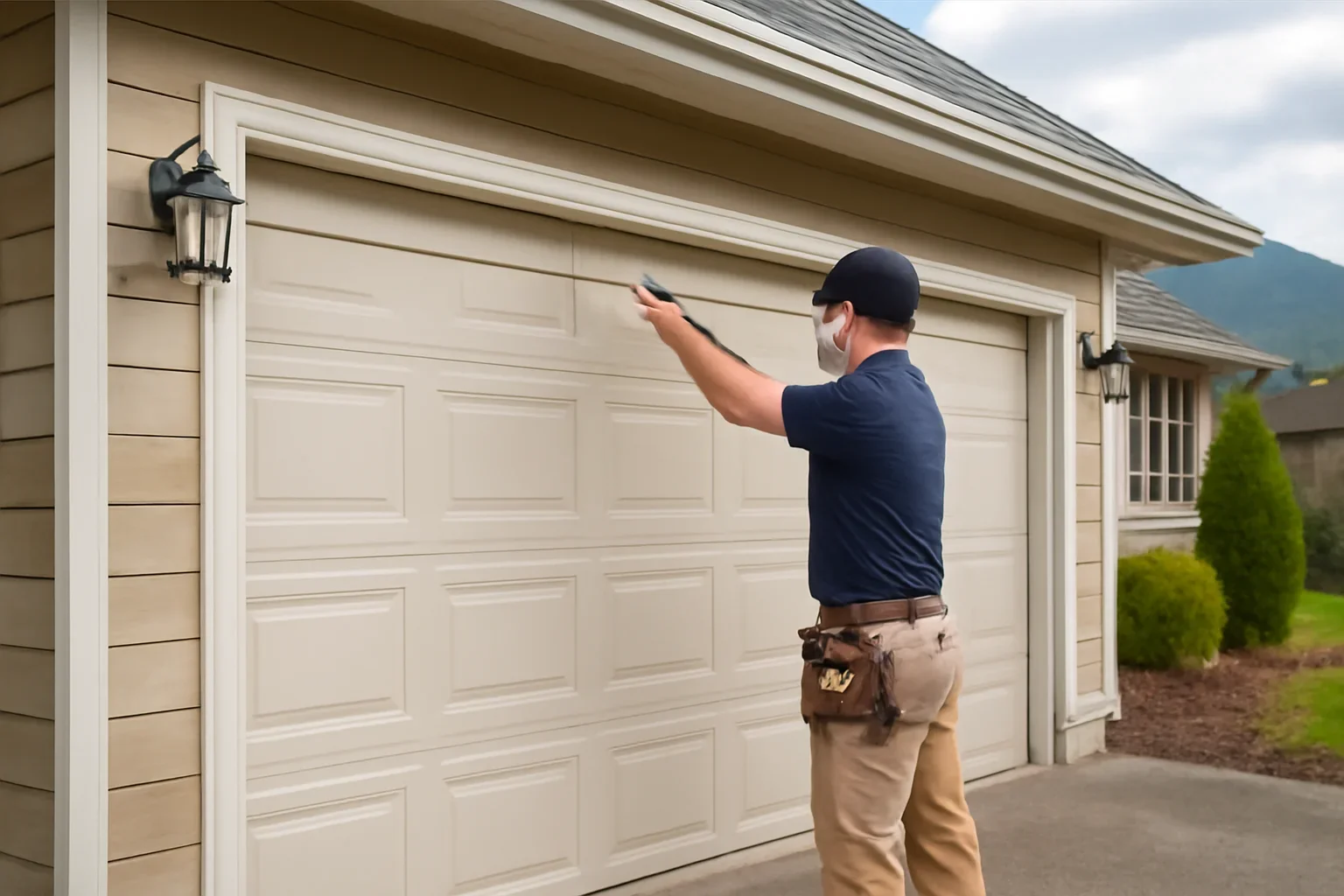
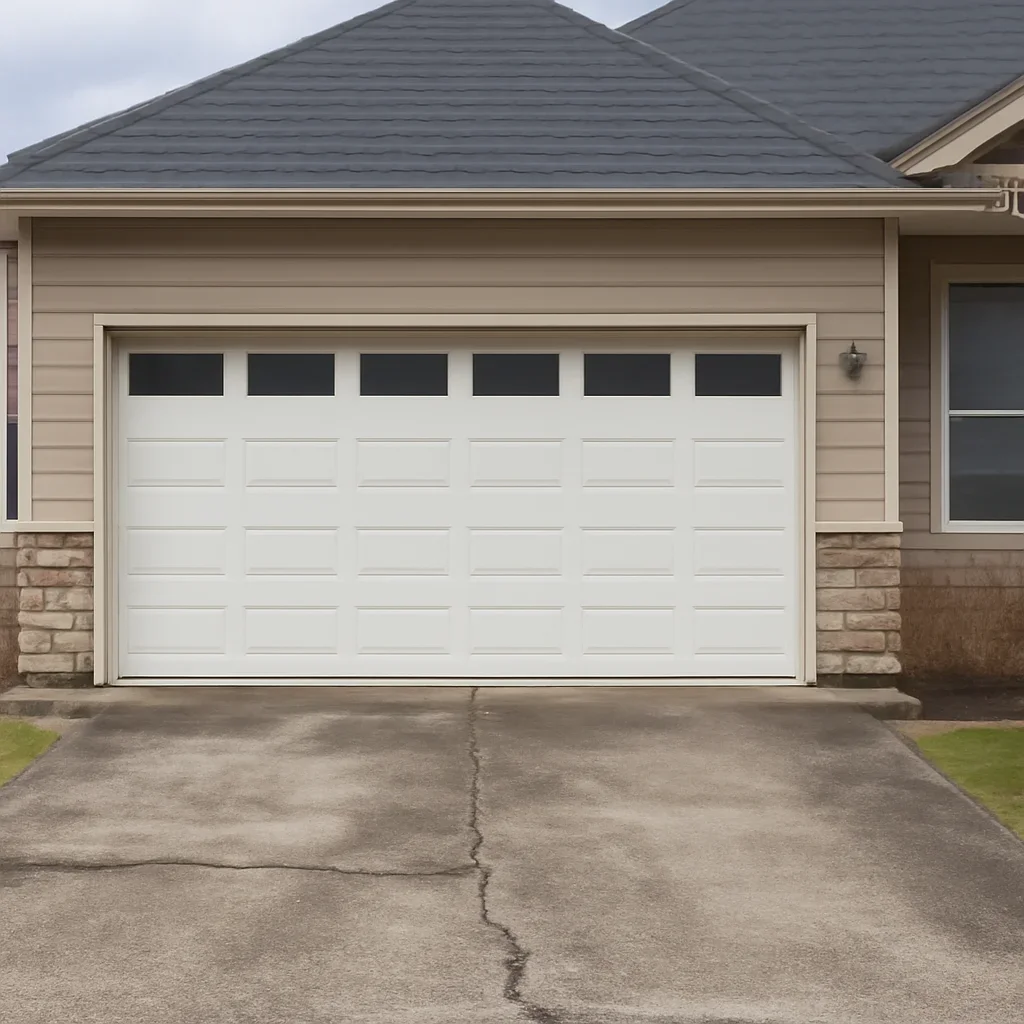
Lubrication can be one part of garage door maintenance, but spraying lubricant onto a noisy system does not explain why the noise started. A useful maintenance visit first looks at how the door moves and where wear is developing.
That matters because rollers, hinges, tracks, cables, springs, seals and the automatic opener all interact. A door that has become difficult to move can also increase the workload on the opener.
The exact procedure depends on the door and opener manufacturer, but maintenance should consider the complete operating system rather than treating every noise as a lubrication problem.
Springs are visually checked for damage or abnormal condition and the door's balance can help reveal whether the counterbalance system requires professional attention. Spring adjustment is not a casual DIY maintenance task.
Lift cables can be checked for visible fraying, damage, displacement or deterioration. Loaded cables and bottom-bracket hardware should not be loosened as part of homeowner maintenance.
Repeated cycles can expose worn rollers, loose hardware and hinge problems. Component-specific lubrication may be appropriate, but materials such as nylon rollers can have different requirements.
Tracks should be checked for visible damage, contamination and alignment concerns while the door's travel is observed for binding, shaking or unusual contact.
Worn, torn or poorly seated weather seals can leave visible gaps around a closed door. Their condition is worth reviewing before wetter weather exposes an existing sealing problem.
An automatic opener should be considered alongside the door. Safety sensors, reversal behaviour, unusual motor strain and the interaction between the opener and door movement deserve attention.
Preventative service is valuable because it creates an opportunity to identify wear early. It is not a guarantee that a mechanical component will never fail.
If inspection reveals a repair issue, the next step should be based on the failed component rather than stretching the definition of a maintenance visit.
Chilliwack's historical climate records show a clear shift toward wetter conditions through fall and winter compared with midsummer. That does not create a special Chilliwack-only maintenance procedure, but it makes deteriorated weather seals, exterior wear, debris and exposed hardware sensible items to watch.
The useful question is not simply whether the door has been “winterized.” It is whether the actual door, seals and operating components are in good condition before seasonal weather exposes an existing weakness.
Look at bottom and perimeter seals, visible corrosion, debris and whether the door sits consistently against the opening.
Pay attention to new noise, rough travel, damaged seals or hardware condition that has changed through the season.
Changes in sound, speed, vibration or closing behaviour are more useful warning signs than waiting for a calendar date alone.
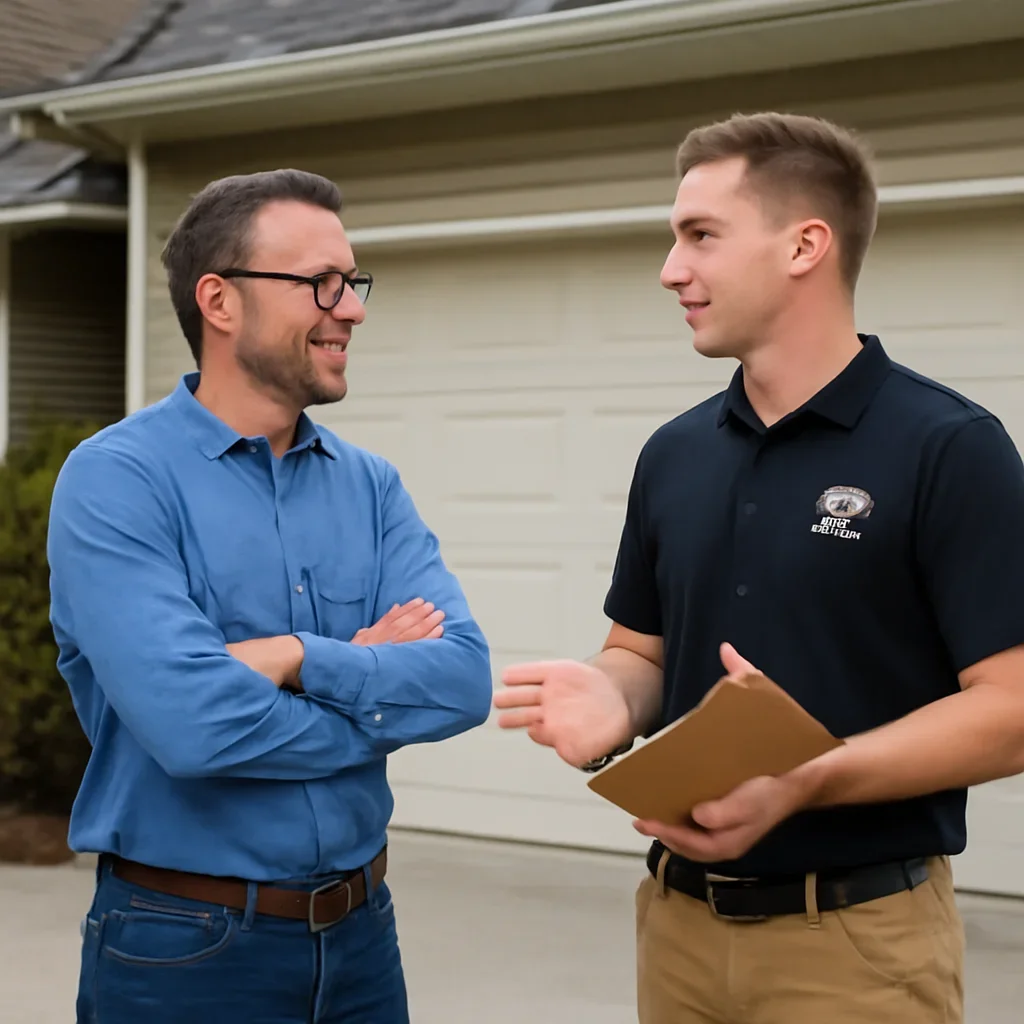
There is no single interval that overrides the instructions for every door and opener. Manufacturer guidance, usage and current condition should determine the maintenance schedule.
Start with the owner's manuals for the door and opener. Safety-test, inspection and lubrication intervals can differ by product.
A garage door that cycles frequently deserves closer attention than one on a lightly used detached garage.
New grinding, shaking, slow travel, gaps or inconsistent closing are reasons to inspect the system rather than simply wait for the next planned maintenance date.
Age alone does not diagnose a failure, but an older door or opener may warrant closer observation as components accumulate wear.
Some residential door manufacturers recommend monthly owner safety checks together with periodic or annual professional service, while component lubrication schedules can vary. Follow the instructions for your installed equipment rather than applying one generic interval to every garage door.
The goal is to understand the condition of the system, deal with appropriate maintenance items and identify anything that has crossed into repair territory.
Start with new noise, vibration, slow operation, closing behaviour, recent damage and how frequently the door is used.
Look at accessible hardware, rollers, hinges, cables, springs, tracks, seals and other visible components for signs of wear or damage.
Evaluate door movement and relevant opener safety functions while noting anything that indicates abnormal resistance or faulty operation.
Address appropriate upkeep and identify components that need repair, replacement or a more specific service rather than hiding the problem with an adjustment.
Maintenance is most useful before a major failure. A visibly broken or unsafe component should be routed to the appropriate repair service instead.
Best suited to a functioning door that needs inspection, preventative attention or investigation of minor changes in noise and operation.
Request maintenanceStart with repair when the door is already stuck, crooked, binding or has visible roller, track, cable or other mechanical damage.
Chilliwack garage door repairA visibly broken spring or suddenly heavy door is no longer routine maintenance. Springs operate under substantial tension and require the appropriate repair service.
Chilliwack garage door spring repairYou do not need to diagnose the garage door yourself. A short description of what has changed helps determine whether you need preventative maintenance or a more specific repair.
Useful answers about maintenance frequency, lubrication, safety and deciding when preventative service has become a repair.
Follow the maintenance schedule for your specific door and opener. Manufacturer recommendations vary, and frequency can also depend on use and condition. Some manufacturers call for monthly homeowner safety checks and periodic or annual professional inspection rather than one universal schedule for every system.
Maintenance can include visual inspection of springs, cables, rollers, hinges, tracks and hardware; observation of door movement and balance; component-appropriate lubrication; seal inspection; and checks of relevant opener safety functions. The exact procedure depends on the installed equipment and its condition.
No maintenance program can guarantee that a spring will not eventually fail. Inspection can identify some visible warning signs or changes in door balance, but springs are wear components. If a spring is already broken or damaged, use Chilliwack garage door spring repair .
Do not assume every moving-looking surface should be sprayed. Lubrication instructions differ by component and manufacturer, and some manufacturers specifically distinguish rollers, hinges, springs and bearings from the track surface. Use the instructions for your particular door rather than applying one product everywhere.
Spring adjustment should not be treated as routine homeowner maintenance. Garage door springs and connected hardware can be under substantial tension. If balance or spring condition indicates a problem, the appropriate repair should be handled by a trained garage door professional.
It can affect what deserves attention. Chilliwack has historically wetter fall and winter conditions than midsummer, so bottom seals, perimeter weatherstripping, exposed hardware and debris around the opening are sensible seasonal inspection points.
It depends on the cause. Minor noise may relate to normal maintenance, but grinding, scraping, sudden vibration or noise accompanied by difficult movement can indicate worn or damaged components. Diagnose the source instead of assuming lubrication will solve it.
Share the approximate age of the door and opener if known, how often the door is used and anything that has changed in its sound or movement. Mention visible cable, spring, roller or track damage because that may mean a repair service is more appropriate than routine maintenance.
Tell us the approximate age of the door, how often it is used and any change in noise, movement or sealing. If the symptoms point to an existing repair instead of routine maintenance, the service can be narrowed down from the start.