A sudden loud bang
A torsion spring can make a sharp bang when it breaks. The noise may happen even when nobody is actively operating the door.

A broken or weakened garage door spring can leave the door unusually heavy, stop it from opening properly or put unnecessary load on the opener. Spring systems operate under high tension, so diagnosis and repair should be handled as a door-system safety issue rather than a DIY adjustment.
If you heard a sudden bang, can see a gap in a torsion spring, or the door has become difficult to move, stop repeatedly operating it and arrange an assessment.
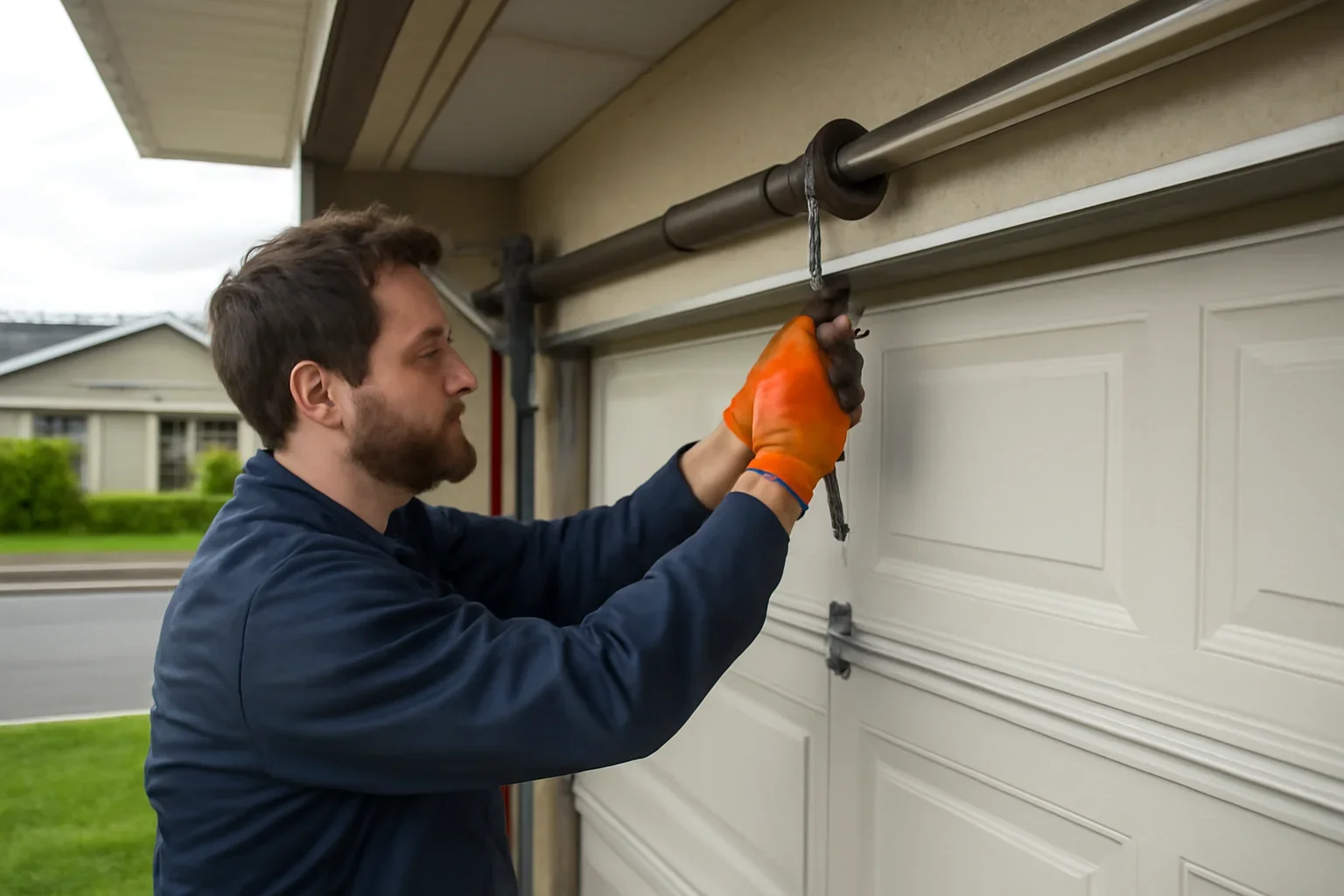
Do not attempt to wind, loosen, remove or adjust springs, cables, drums, bottom brackets or other spring-loaded hardware. Keep people clear of a stuck or partially open door.
The spring counterbalances much of the garage door's weight. A spring problem can therefore feel like an opener failure, cable problem or suddenly heavy door. These symptoms are useful clues, but the complete door system should be inspected before replacing parts.
A torsion spring can make a sharp bang when it breaks. The noise may happen even when nobody is actively operating the door.
On an exposed torsion spring above the door, separated coils or an obvious gap can indicate a break. Observe from a safe position without touching the assembly.
When the counterbalance is no longer doing its job, the door can become much harder to move and the opener may struggle or stop.
Crooked movement or a door that only moves a short distance can involve springs, cables or other hardware and should be diagnosed before continued operation.
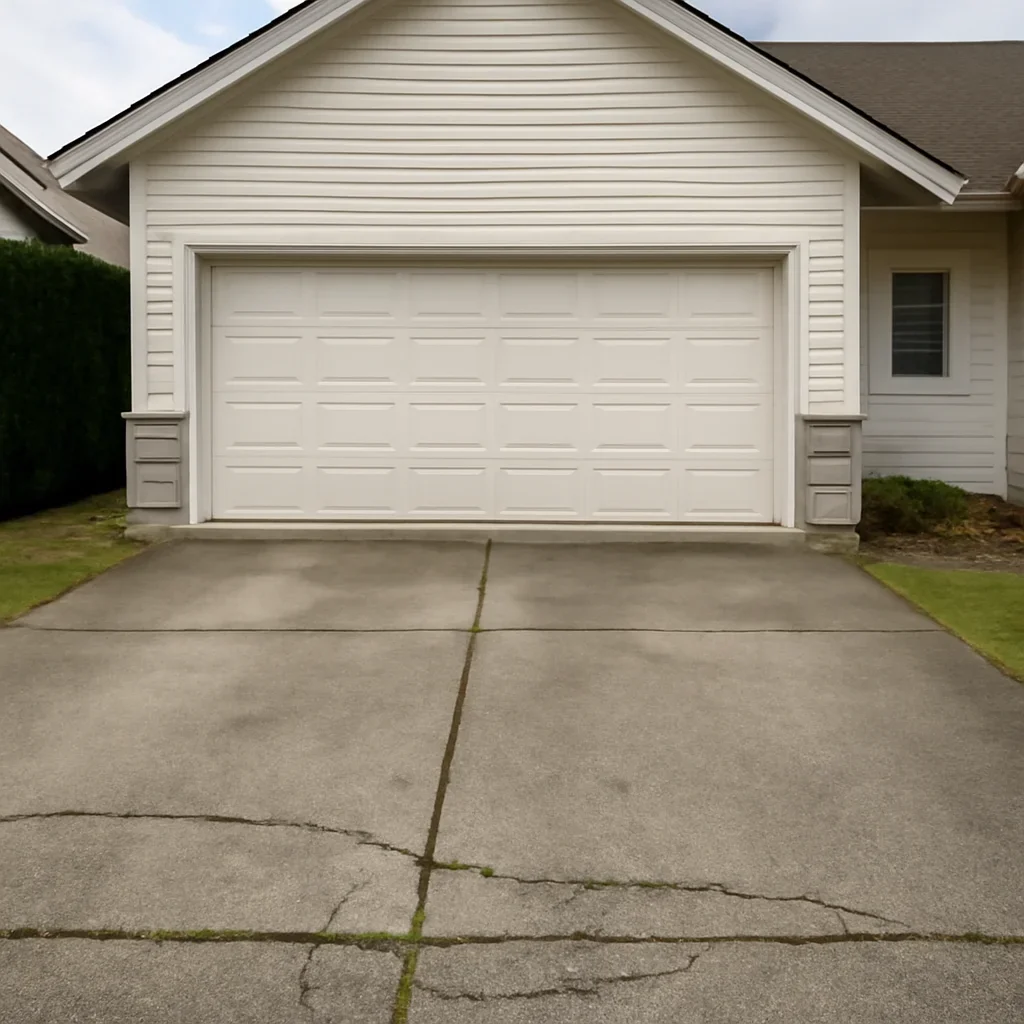
Stop using the door and leave high-tension hardware alone. A broken spring changes the way the door's weight is supported, so repeatedly pressing the opener or trying to force the door can create additional problems.
Do not loosen brackets, winding cones, drums, cables or spring fasteners.
An opener should not be relied on to compensate for a failed counterbalance system.
Keep people, pets and vehicles away from a door that is stuck, crooked or partially open.
A photo taken from floor level can help describe the door position and visible spring condition. Do not climb or reach into the spring assembly to get a closer picture.
Correct spring service starts with identifying the spring system and matching the counterbalance to the actual door. The repair should also account for components that share the lifting load.
Spring selection depends on the door and counterbalance configuration. A replacement should not simply be chosen because it looks similar to the failed spring.
Cables, drums, pulleys and spring-connected hardware should be checked for damage, wear or displacement that may have happened before or during the failure.
Spring service is not complete just because the door moves again. Balance affects how the door travels and how much work the opener has to do.
Once the door itself is operating correctly, opener travel and normal operation can be reviewed separately.
Residential garage doors can use different counterbalance systems. You do not need to identify, measure or handle the spring yourself, but understanding the terminology makes a repair conversation easier.
Standard torsion systems use one or more wound springs on a shaft above the garage door. The spring works with drums and lift cables to counterbalance the door as it moves.
Extension springs stretch and contract as the door operates. They use a different hardware arrangement and should be assessed according to that system rather than treated as interchangeable with torsion springs.
If a door uses two springs and one has failed, the condition and specification of the remaining spring should be reviewed as part of the repair. On some paired systems, manufacturer guidance recommends replacing both springs together.
The exact repair depends on the door and spring system, but the process should move from diagnosis to correct spring selection, safe repair and final operating checks.
The door position, springs, cables, tracks and related hardware are assessed to establish what actually failed.
The required spring configuration is determined from the door and its counterbalance requirements rather than guesswork.
High-tension spring work is performed with the appropriate tools and procedures while related damaged hardware is addressed where required.
The repaired door is checked for controlled travel and balance before normal opener operation is considered complete.
A useful spring-repair quote depends on the actual door and counterbalance system. Avoid relying on a single advertised number before the required spring and related hardware are identified.

Do not continue operating a door with a known broken spring. Manufacturer safety guidance warns against automatic or manual operation when springs are broken because the door may no longer be properly counterbalanced. Arrange professional service instead.
The opener is designed to move a properly balanced garage door, not replace the lifting assistance provided by the spring system. A broken or badly unbalanced spring can make the door too heavy for normal opener operation.
No. A loud bang is a common clue, but it is not a complete diagnosis. Look only from a safe position for an obvious spring gap or other visible change and have the door system inspected before deciding which component needs repair.
It depends on the spring system. When a door uses a matched pair, the second spring has often experienced similar use, and some manufacturer guidance recommends replacing both together. The existing configuration and spring specifications should be assessed before deciding.
Yes. Crooked travel, a door that will not move normally, or visibly displaced lifting hardware can involve cables as well as springs. See the garage door cable, roller and track repair service when the problem is not clearly spring-specific.
Cost depends on the spring system, door configuration, number of springs and whether cables or other counterbalance components also require attention. The repair should be diagnosed before a final scope is compared by price.
Explain whether the door is open or closed, what happened immediately before the problem, whether you heard a bang, and whether the opener now strains or does not move the door. Safe photos from floor level can also help describe the visible condition.
No. Springs are wear components and eventual failure cannot always be prevented. Routine visual inspection and appropriate maintenance can identify deterioration or balance problems, but spring adjustment and high-tension repairs should still be left to trained technicians. See garage door maintenance in Chilliwack for ongoing service.
Tell us what the door is doing, whether it is currently open or closed, and whether you heard a snap or bang. Keep clear of high-tension hardware and avoid repeatedly operating the door while the problem is unresolved.