Rollers and Hinges
Inspect for worn rollers, damaged wheels or bearings, loose hinges and new noise or vibration as the sectional door moves through its tracks.

Preventive garage door maintenance helps identify worn rollers, loose hardware, deteriorated seals, cable damage, balance problems and opener-safety issues while the system is still operating.
Maintenance is the right starting point for an operating door that needs inspection and preventive care. If the door has suddenly become heavy, crooked, off track, stuck or visibly unstable, treat the problem as a repair rather than a routine tune-up.
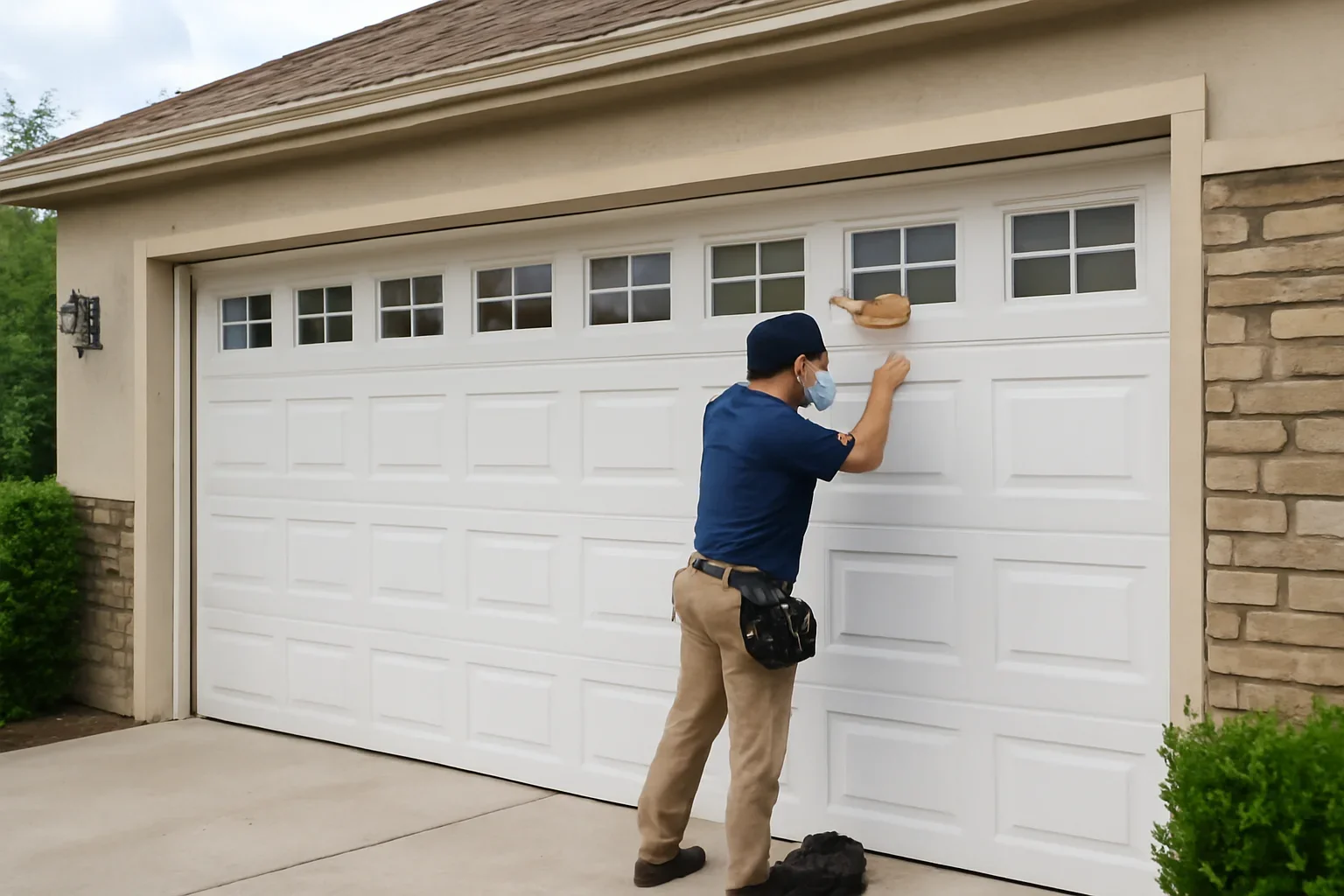
Garage door maintenance is more than adding lubricant. A useful service reviews the door panels, rollers, hinges, tracks, fasteners, springs, cables, weather seals, balance and applicable opener safety functions, then identifies anything that has already moved beyond preventive care and requires repair.
A door does not have to be perfectly silent to be healthy, but there is an important difference between normal preventive service and an active mechanical failure.
Start with Mission garage door repair if the cause is uncertainInspection and appropriate lubrication may help when the door still travels evenly and no broken or unstable hardware is visible.
Worn rollers, loose hardware, debris or developing alignment problems should be checked before movement deteriorates further.
Move out of routine maintenance. A broken spring or another counterbalance problem may be involved.
Stop repeated operation. Springs, cables, drums, tracks or other lifting hardware may require repair.
Do not handle or adjust high-tension components. Use the appropriate repair service instead of treating the problem as routine maintenance.
If the mechanical door appears stable but automatic operation is failing, opener diagnosis may be more appropriate.
The full door system matters. A quiet roller does not compensate for a damaged cable, deteriorated seal or poorly operating safety system.
Inspect for worn rollers, damaged wheels or bearings, loose hinges and new noise or vibration as the sectional door moves through its tracks.
Look for debris, bent track, loose supports and fasteners that are visibly loose or missing. Tracks should stay clean rather than becoming coated with grease.
Check visually for a broken spring, cable fraying, displacement or other obvious damage. Do not adjust spring tension, cables, drums or bottom brackets during homeowner maintenance.
Inspect panels for cracking, distortion, impact damage, loose glazing or another condition that could affect normal movement.
Look for flattened, torn, loose or missing weather seals and note visible daylight, drafts, debris or water entering around the closed door.
Applicable photo-eye sensors and automatic reversing functions should be checked according to the opener manufacturer's instructions rather than bypassed when they do not operate correctly.
Appropriate lubrication can reduce friction and noise, but maintenance should follow the specific door manufacturer's instructions because roller materials and component requirements vary.
More lubricant is not necessarily better. Excess product can collect dirt and create unnecessary mess around the door.
Applicable hinge pivot points may require a garage-door lubricant according to the manufacturer's maintenance instructions.
Some roller bearings require lubrication, while certain roller materials do not. Follow the door manufacturer's specification rather than coating every roller indiscriminately.
Applicable moving bearings and pivot points can be serviced using the type and frequency recommended for the particular door.
Some manufacturers specify lubrication for particular spring systems. That does not make spring adjustment, winding, cable work or tensioning a homeowner maintenance task.
Current Clopay maintenance guidance recommends removing dirt and debris from the tracks but specifically advises against adding lubricant to the actual track surfaces.
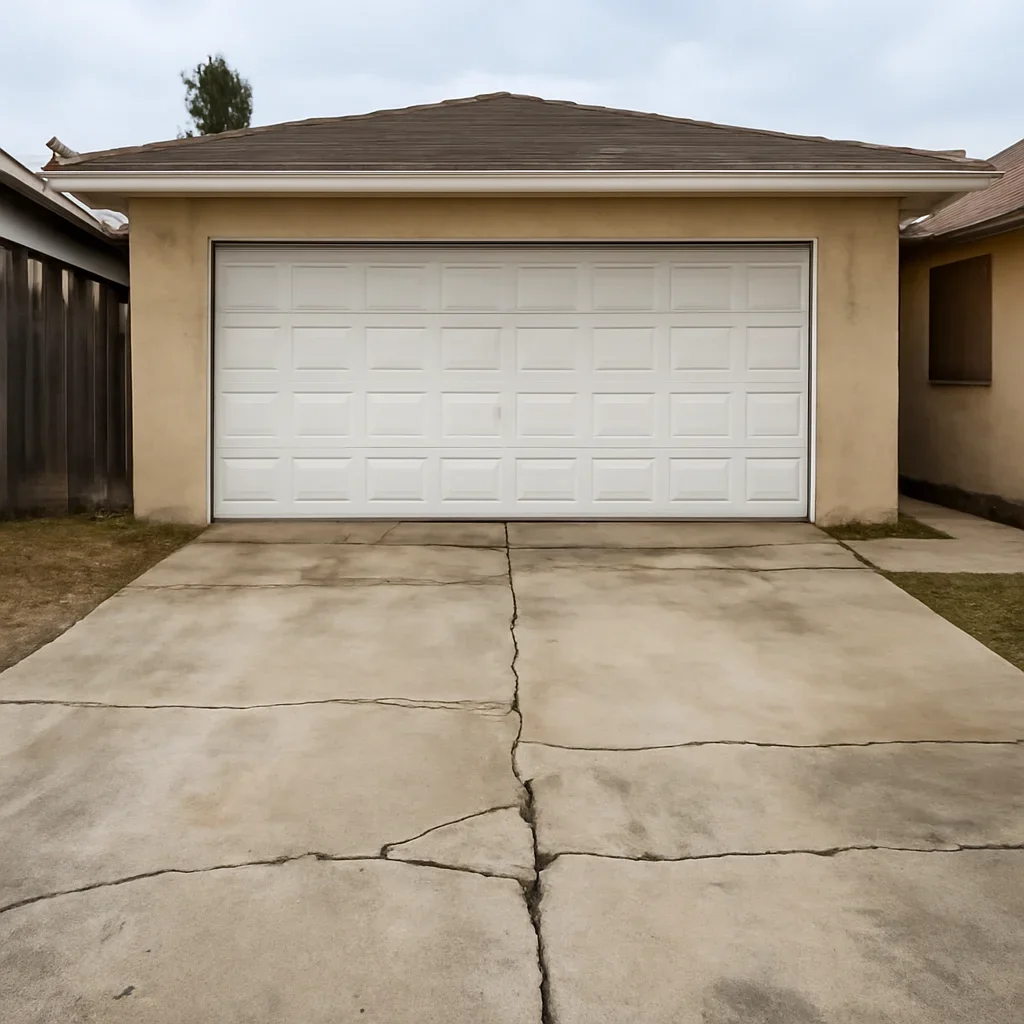
Mission sits on a southern coastal mountain slope and has substantial variation in hillsides and gullies. Its rural communities include Stave Falls, Steelhead and Silverdale, alongside established and growing urban areas.
Those conditions affect the kinds of garages and access situations found across Mission. Maintenance still needs to follow what can actually be observed at the individual property.
Balance, controlled travel and opener safety functions are as important as reducing squeaks. Maintenance should not hide a mechanical fault with more lubricant or stronger opener settings.
A garage door that has become unusually heavy or no longer moves under appropriate balance can indicate a spring or mechanical problem. Do not compensate by arbitrarily increasing opener force.
Automatic openers have manufacturer-specific safety-test requirements. Follow the correct owner's manual and have a failed safety function repaired rather than ignored.
Applicable photo-eye sensors should remain unobstructed, securely positioned and functional. Never bypass a safety system simply to make a malfunctioning garage door close.
Follow the maintenance instructions for the specific garage door and opener first. Usage, component design and operating conditions can all affect the appropriate interval.
As general industry guidance, DASMA recommends monthly homeowner safety checks and an annual visit from a trained door-systems technician.
Observe how the door sounds and moves, look for visible wear or damage and pay attention to changes in closing, balance or automatic operation.
Follow the door and opener manuals for lubrication, safety testing and component-specific maintenance rather than applying one universal schedule to every system.
DASMA recommends an annual visit by a trained door-systems technician to help keep the garage door operating safely and smoothly.
A door that suddenly becomes heavy, crooked, unstable, unusually noisy or difficult to operate should be assessed before the next planned maintenance date.
Direct answers about inspection frequency, lubrication, tracks, weather exposure and the point where preventive maintenance becomes repair.
A useful maintenance service reviews the condition and operation of relevant rollers, hinges, tracks, fasteners, springs, cables, panels, weather seals and opener safety functions. Appropriate lubrication and other preventive work can then be completed, while damaged or unsafe components should be moved into a repair scope.
Follow the maintenance schedule for the specific door and opener first. As general industry guidance, DASMA recommends monthly homeowner safety checks and an annual trained-technician visit. A new change in noise, movement, balance or safety operation should be assessed sooner.
Generally, the tracks should be kept clean rather than greased. Current Clopay guidance recommends wiping dirt and debris from garage-door tracks but not applying lubricant to the track surfaces themselves.
Sometimes. Appropriate lubrication or attention to a worn roller or loose hinge may reduce noise, but grinding, popping or rattling can also indicate wear or mechanical damage. If the noise comes with jerky, heavy or uneven movement, diagnose the problem rather than assuming lubrication is the answer.
No. Springs, cables, drums, bottom brackets and associated supports can be under substantial tension. Do not loosen, wind or adjust those components yourself. Use Mission garage door spring repair when the spring system appears damaged or the door has become unusually heavy.
They can change what is worth checking, but they do not create a universal mechanical problem. Mission describes its winters as mild and wet. Where an individual garage has recurring dampness, water entry, debris, damaged seals or visible corrosion, include those conditions in the maintenance assessment.
Terrain alone does not establish that diagnosis. A sloped driveway can affect access and the conditions around the garage opening, but rollers, tracks, framing, hardware and door movement still need to be inspected directly before attributing an alignment problem to the property.
Move to repair when there is a broken spring, frayed cable, damaged track, failing roller, unstable door, significant panel damage, opener fault or another component that is no longer simply an upkeep issue. Use Mission garage door repair if the cause is uncertain.
Cost depends on the door, maintenance scope and whether inspection uncovers parts that require separate repair. Review the garage door pricing information and request a maintenance-specific assessment rather than relying on a generic flat figure.
Tell us how the door has been operating, any new noise or rough movement, and whether the garage is attached, detached or part of another building. For a rural property or steep driveway, include access details. If the door is already heavy, crooked, stuck or unstable, describe that clearly so the problem can be treated as repair rather than routine maintenance.
