Rollers and Hinges
Look for excessive roller wear, damaged wheels or bearings, loose hinges, distorted hinge hardware and abnormal noise during travel.

Preventive garage door maintenance helps identify worn rollers, loose hardware, deteriorated seals, cable damage, balance problems and opener-safety issues before they become more disruptive.
Maintenance is most useful while the garage door is still operating. If the door is suddenly heavy, crooked, off track, stuck or visibly unstable, move from routine maintenance to repair diagnosis instead.

Garage door maintenance should cover more than adding lubricant. A useful maintenance visit looks at the door panels, springs, cables, rollers, hinges, tracks, fasteners, balance, weather seals and opener safety functions, then separates normal upkeep from components that already need repair.
Maintenance is preventive. A sudden mechanical failure, unstable door or broken high-tension component requires repair rather than a routine tune-up.
Start with Pitt Meadows garage door repairInspection, cleaning and lubrication may be appropriate when the door still travels smoothly and there is no sign of broken or unstable hardware.
Worn rollers, hinges, debris, loose hardware or developing alignment issues deserve inspection before the movement becomes worse.
Treat this as a possible spring or counterbalance problem rather than routine maintenance.
Stop repeated operation. Cables, springs, drums, tracks or related lifting hardware may require repair.
Do not adjust or handle these high-tension components. Use the appropriate repair service.
If the mechanical door appears normal but controls, sensors or automatic operation are malfunctioning, the opener may need separate diagnosis.
Maintenance should look at the full operating system instead of concentrating on whichever component happens to make the most noise.
Look for excessive roller wear, damaged wheels or bearings, loose hinges, distorted hinge hardware and abnormal noise during travel.
Check for bent or damaged track, debris, loose brackets and missing or loose fasteners. Tracks should be clean rather than coated with grease.
Visually check for broken springs, cable fraying, corrosion or other visible damage. Spring tension and damaged lifting cables are professional-repair items.
Inspect panels for cracking, distortion, impact damage, loose glazing or another condition that can interfere with normal door travel.
Look for torn, flattened or missing bottom and perimeter seals and note where daylight, drafts, debris or moisture are getting past the closed door.
Review opener operation and manufacturer-required safety features, including applicable reversing and photo-eye sensor functions.
Appropriate lubrication can reduce friction and noise on applicable moving components, but coating every garage-door part with oil is not good maintenance.
Product and door-manufacturer instructions should take priority because roller construction and lubrication requirements vary.
Appropriate hinge pivot points can be lubricated according to the door manufacturer's guidance.
Applicable metal-bearing rollers may require lubricant. Avoid treating the rolling surface itself as though it needs to slide through the track.
Manufacturer-approved lubrication may be applicable to certain spring components, but spring adjustment, winding and replacement remain professional work.
Applicable bearings and moving pivot points can be serviced according to the specific door's maintenance instructions.
Tracks should generally be kept clean and clear of debris. Clopay and current LiftMaster maintenance guidance both specifically advise against greasing the door tracks.
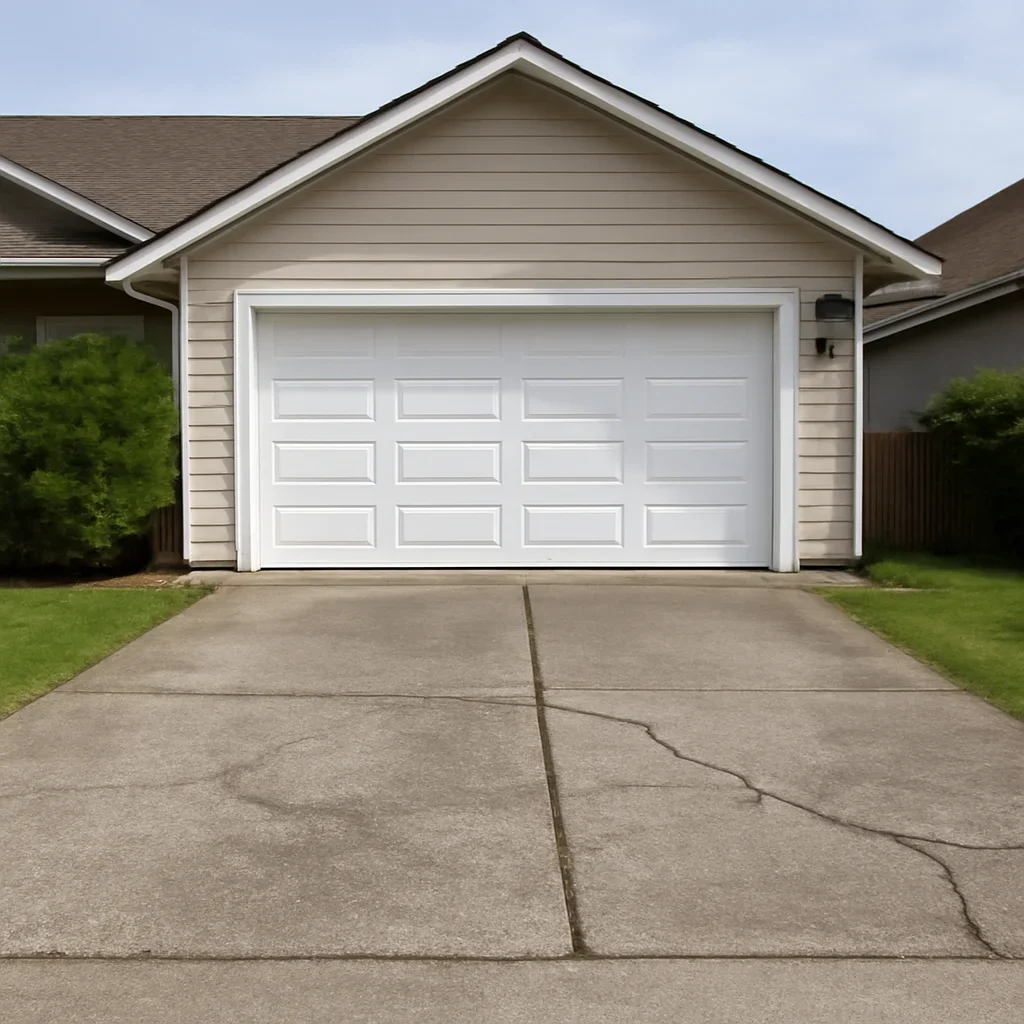
Pitt Meadows is a predominantly low-lying municipality with both urban and rural land-use areas. Approximately 85% of the city lies within the Fraser and Pitt River floodplains, supported by an extensive diking and drainage network.
Those facts do not cause garage-door problems by themselves. They simply make actual moisture, drainage, debris and hardware condition sensible things to document where present.
A quiet door is not automatically a properly maintained door. Mechanical balance and the opener's safety functions are separate parts of the maintenance picture.
An improperly balanced or binding door can increase strain on hardware and the automatic opener. Balance problems should be corrected by appropriate service rather than compensating through opener settings.
Automatic openers have manufacturer-specific safety testing requirements. Current LiftMaster documentation, for example, specifies regular testing of the safety-reversal system.
Applicable safety sensors should be unobstructed, secure and operating according to the opener manufacturer's instructions. A failed safety system should be repaired rather than bypassed.
Frequency depends on the door, opener, usage and manufacturer instructions. There is no need to invent a Pitt Meadows-specific interval.
DASMA recommends monthly homeowner safety checks and an annual trained-technician visit. Individual manufacturers may specify additional inspection or lubrication intervals for their products.
Watch for changing noise, loose hardware, frayed cables, damaged rollers, seal deterioration, unusual movement and visible damage.
Follow the opener manual for applicable reversal, photo-eye and other safety tests rather than applying instructions from a different model.
Industry guidance supports periodic professional inspection, with DASMA recommending an annual trained-technician visit for residential garage-door systems.
Do not wait for a maintenance date when the door becomes heavy, crooked, unstable, unusually noisy or no longer operates normally.
Direct answers about inspection, lubrication, safety systems and the point where preventive maintenance should turn into repair.
Maintenance should include inspection of relevant panels, rollers, hinges, tracks, fasteners, springs, cables, weather seals and opener operation. Applicable moving components can be lubricated, while balance and safety functions should also be considered. Any broken or unsafe component should be moved into a repair scope rather than treated as routine maintenance.
Follow the door and opener manufacturer's instructions first. DASMA recommends monthly homeowner safety checks and an annual visit from a trained door-systems technician. Usage, door age and operating conditions can justify earlier attention.
Generally, no. Manufacturer guidance from Clopay and LiftMaster advises keeping the door tracks clean rather than greasing them. Appropriate lubrication belongs on specified moving components according to the door manufacturer's instructions.
Sometimes. Noise can come from dry or worn rollers, hinges, loose hardware or debris, but it can also indicate a developing mechanical fault. If noise is accompanied by jerky, crooked or difficult movement, diagnose the problem instead of assuming lubrication will solve it.
No. Springs and related high-tension hardware are not routine homeowner maintenance items. If a spring appears broken, damaged or improperly balanced, use professional Pitt Meadows garage door spring repair.
Yes, where the opener uses photo-eye safety sensors. Keep them unobstructed and follow the opener manufacturer's testing procedure. Safety features should never be bypassed simply to make a malfunctioning door close.
It can influence what is worth inspecting, but it does not create a universal maintenance problem. Pitt Meadows is predominantly low-lying and much of the municipality lies within floodplain areas. Where a specific garage has dampness, water entry, debris or visible corrosion, include those conditions in the maintenance assessment.
Move to repair when you find a broken spring, frayed cable, damaged track, failing roller, unstable door, significant panel damage, opener fault or another component that is no longer simply an upkeep issue. Start with Pitt Meadows garage door repair when the cause is uncertain.
Cost depends on the door and the scope of the visit, including whether maintenance uncovers components that need separate repair. Review the garage door pricing information and request a maintenance-specific discussion rather than relying on a generic figure.
Share the approximate age of the door if known, how it has been operating, any new noise or rough movement, and any visible wear you can photograph safely. If the door is already heavy, crooked, stuck or unstable, mention that so the request can be treated as a repair issue instead.