Richmond Garage Door Maintenance

Garage Door Maintenance in Richmond, BC

Preventive garage-door maintenance focuses on how the complete system is moving, wearing and sealing before a developing issue becomes an active repair.

For Richmond properties, that can also mean checking bottom and perimeter seals, threshold conditions and exposed hardware where moisture actually reaches the garage—without assuming every home has the same waterfront exposure.

  • Hardware & movement inspection
  • Appropriate lubrication
  • Opener & safety checks
  • Weather-seal review
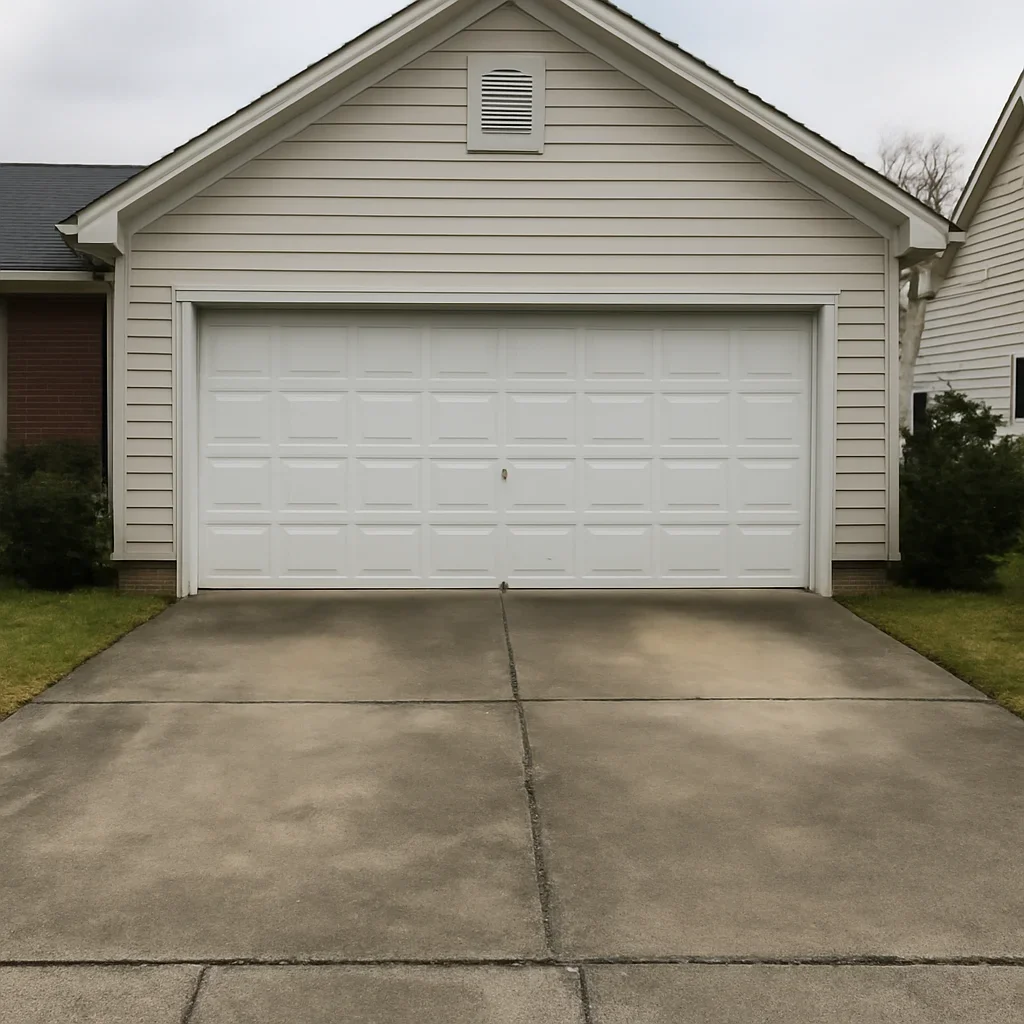
Garage door maintenance at a home in Richmond
Quick Answer
What should garage-door maintenance include?

Maintenance should review the visible condition and operation of the complete door: sections, hinges, rollers, tracks, springs and cables, opener behaviour, safety devices and weather seals. Appropriate moving components can then be maintained according to the installed door and opener guidance, while damaged or unsafe parts are separated into a repair scope.

Choose the Right Service

Maintenance is preventive. Repair addresses a failure.

Maintenance is most useful while the garage door still generally operates normally. Once a spring, cable, track, door section or opener has failed, the service should shift to diagnosis and repair.

Maintenance

Start here when the door still works.

Preventive maintenance is appropriate when the goal is to inspect condition, address ordinary upkeep and investigate smaller changes before normal operation is lost.

  • Operating noise has gradually changed
  • Minor vibration or movement has developed
  • Visible rollers, hinges or seals show wear
  • Routine inspection or lubrication is due
  • Opener safety and controls need review
Repair

Use repair when the system is already failing.

A stuck, crooked, unusually heavy or visibly damaged door should not be treated as an ordinary tune-up.

  • Spring is visibly broken
  • Cable is loose, frayed or displaced
  • Door is off-track or substantially crooked
  • Door no longer opens or closes normally
  • Impact has damaged sections or hardware
Richmond Garage Door Repair
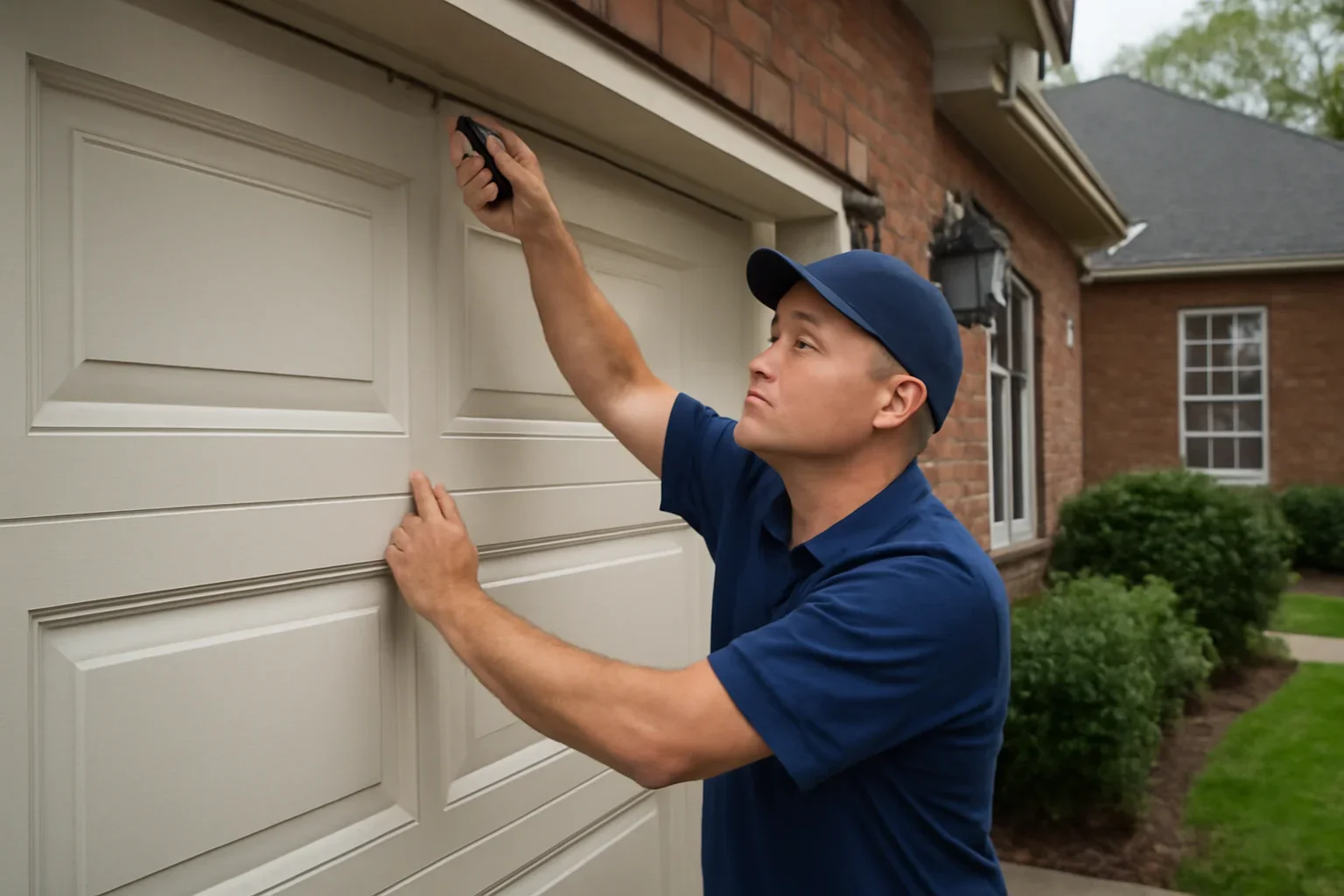
Garage door inspection and maintenance at a Richmond home
Complete-System Inspection

Inspect the door as one connected system.

Springs, cables, tracks, rollers, hinges and the opener affect one another. A useful maintenance visit looks for patterns of wear rather than treating one squeak as the entire problem.

Door sections

Look for impact damage, cracking, separation, deterioration or movement between sections that deserves closer attention.

Hinges & rollers

Check visible wear, looseness, damaged rollers and whether movement through the track appears smooth and consistent.

Tracks

Review tracks for obvious obstruction, damage or mounting conditions that may affect normal travel.

Springs & cables

Inspect visually for broken springs, cable damage or abnormal conditions. Spring tension and loaded cable hardware are not routine homeowner adjustments.

Door movement

Watch for new resistance, hesitation, shaking or uneven travel that may indicate developing mechanical wear.

Automatic opener

Review powered travel, controls, safety sensors and reversal behaviour separately from the mechanical door.

Weather seals

Check the bottom seal and perimeter weatherstripping for missing sections, brittleness, excessive compression or visible gaps.
Richmond Maintenance Context

Local conditions matter when they actually reach the garage.

Richmond's river-delta setting and diverse housing types create useful maintenance questions, but the individual property's exposure and garage configuration should drive the inspection.

01 · Moisture exposure

Inspect what is actually exposed.

Where rain or persistent moisture reaches the opening, pay closer attention to seals, exterior finish and visible hardware condition rather than assuming every Richmond door experiences the same exposure.

02 · Threshold conditions

Look at where water and debris collect.

The bottom of the door deserves attention when water, sediment or debris regularly reaches the opening. Sealing and property drainage remain separate issues.

03 · Multi-unit properties

Clarify responsibility where needed.

Townhouse, strata, rental and other managed properties can require owner or property-management coordination when maintenance identifies repair work.

04 · Usage pattern

How often the door moves matters.

A primary household vehicle entrance can experience a different operating pattern from a lightly used detached or storage garage, regardless of neighbourhood.

Safe Maintenance Boundaries

Observe freely. Treat loaded hardware differently.

Preventive maintenance should identify risk, not create it. Springs, cables and connected bottom hardware can remain under substantial mechanical load.

Useful Homeowner Observations

Safe details to watch and report.

These observations can help identify a developing problem without dismantling the system.

  • Listen for new squeaks, rattles, grinding or impact sounds.
  • Watch for hesitation, shaking or uneven movement.
  • Look for visible roller, hinge, panel or seal damage.
  • Keep obvious debris clear of the closing path.
  • Observe sensor indicator lights and opener behaviour.
  • Follow the installed owner's manuals for permitted routine care.
Technician-Level Work

Do not turn a tune-up into spring or cable repair.

Some components should only be adjusted within the appropriate repair procedure.

  • Spring tension adjustments
  • Broken or weakened spring repair
  • Frayed or displaced lift cables
  • Bottom-bracket work connected to lift cables
  • Off-track or unstable door correction
  • Loaded hardware repair
If the door becomes crooked, unusually heavy or visibly unstable, stop treating it as routine maintenance and move to the appropriate repair service.
When to Pay Attention

Use product guidance plus changes in the door's condition.

Maintenance schedules and lubrication requirements vary between doors, rollers and openers. Use the installed manufacturer's guidance rather than applying one universal interval or lubricant to every system.

01 Follow the owner's manuals

Use the maintenance points, lubrication products and safety-test procedures specified for the installed garage door and opener.

02 When ordinary noise changes

A new squeak, rattle, grinding sound or vibration deserves inspection before assuming the solution is simply more lubricant.

03 When movement changes

Hesitation, new resistance, shaking or uneven travel can indicate wear that deserves closer attention.

04 When seals deteriorate

Missing, brittle, torn or permanently compressed weatherstripping can create gaps worth addressing separately.

05 After impact or sudden change

If the door has been struck or operation suddenly changes, treat that as a condition assessment rather than waiting for routine maintenance.

Opener & Safety System

The powered operator belongs in the maintenance conversation too.

A mechanically sound door and a correctly functioning opener work together. Controls and safety devices should be checked without using opener-force adjustments to mask a physical door problem.

01 · Safety sensors

Keep the photo-eye area clear.

Look for obstruction, obvious displacement, damaged wiring or inconsistent sensor indicators and follow the opener manufacturer's troubleshooting guidance.

02 · Reversal behaviour

Follow the manufacturer's safety-test procedure.

Safety-reversal testing should follow the instructions and schedule for the installed opener rather than improvised force or travel adjustments.

03 · Controls

Notice differences between controls.

A remote, keypad, wall control or connected app behaving differently from the others can help isolate an accessory or opener issue.

04 · Opener strain

Do not ask the motor to compensate for the door.

If powered operation sounds strained, determine whether the physical door has developed excess resistance or a spring-related problem before changing opener settings.

Weather Seals & Richmond Water Context

A good seal closes ordinary gaps. It does not fix drainage.

Richmond's floodplain setting makes water around building openings worth observing, but garage-door weatherstripping has a limited job. It helps close the normal perimeter of the door; it is not designed to replace site drainage, grading or broader flood-protection measures.

Bottom seal

Look for missing sections, tearing, brittleness, excessive compression and daylight where the closed door should meet the floor.

Side & top seals

Check whether perimeter weatherstripping remains attached and contacts the closed door appropriately.

Threshold

Note recurring water, sediment or debris at the garage opening because those conditions can affect sealing and upkeep.

Exterior finish

Inspect for actual deterioration and follow the door manufacturer's cleaning and finish-care recommendations.

Drainage

If water is regularly directed toward the garage, treat the surrounding property drainage or grading as a separate issue.

Garage Door Weather Seal Replacement
Maintenance Process

Inspect first. Maintain what is appropriate. Flag what needs repair.

Preventive service should leave a clear distinction between ordinary upkeep and components that already require a dedicated repair.

01 · Observe

Review current operation

Start with noise, movement, opener behaviour, visible gaps and any changes the homeowner has noticed.

02 · Inspect

Review system condition

Check visible sections, hinges, rollers, tracks, springs, cables, seals and relevant opener components.

03 · Maintain

Complete appropriate upkeep

Address compatible lubrication, cleaning and routine service items according to the installed system.

04 · Verify

Review normal operation

Check door travel and relevant opener-control and safety behaviour after maintenance work.

05 · Separate

Identify actual repairs

Flag damaged or worn components that require repair rather than describing every condition as part of a tune-up.

Maintenance Pricing Factors

What changes the scope of garage-door maintenance?

The scope depends on the installed door, opener and current condition. Maintenance that uncovers an actual failed component should be separated from the repair required to correct it.

01
Door configuration

Door size, construction, spring system and installed hardware affect what needs to be inspected and maintained.

02
Current condition

A normally operating door with routine wear is different from one already showing damaged rollers, cables, springs or tracks.

03
Opener system

Automatic controls, sensors and operator condition can create a separate maintenance or repair scope.

04
Weather seals

Replacing deteriorated bottom or perimeter seals is a different scope from simply inspecting their condition.

05
Repairs discovered

Broken or unsafe components should be priced as repairs rather than hidden inside a generic maintenance visit.

Maintenance Questions

Richmond garage door maintenance FAQs

Direct answers for homeowners deciding what belongs in preventive maintenance and what has already become a repair.

What is normally included in garage door maintenance?

Maintenance can include visual inspection of sections, hinges, rollers, tracks, springs, cables and hardware; appropriate lubrication for the installed system; review of door movement; opener and safety-device checks; and inspection of bottom and perimeter weather seals.

How often should my garage door be maintained?

Follow the maintenance schedule for the installed door and opener rather than relying on one universal interval. Usage, product design and condition differ, and earlier attention is sensible when operating noise, movement or visible component condition changes.

Should every part of the garage door be lubricated?

No. Lubrication requirements depend on the installed system, and some components should not receive lubricant. Use the door and opener manufacturer's maintenance instructions instead of spraying every visible track, roller or plastic component.

Can maintenance make a noisy garage door quieter?

Sometimes. Appropriate lubrication or attention to ordinary wear can improve some operating noise, but grinding, significant shaking, impact sounds or sudden changes should be diagnosed rather than assumed to need only a tune-up.

Can I maintain the garage door springs myself?

Visual observation is appropriate, but spring tension and loaded counterbalance hardware should not be casually adjusted. If a spring appears broken or the door suddenly becomes unusually heavy, use Richmond garage door spring repair.

Does Richmond's wet environment change maintenance?

It can where a garage is genuinely exposed. Inspect bottom and perimeter seals, exterior finish, threshold conditions and visible hardware based on the individual property rather than assuming every Richmond garage has the same moisture or waterfront exposure.

When should I book repair instead of maintenance?

Use repair when normal operation has already failed or the door is visibly crooked, off-track, unusually heavy, has a broken spring or damaged cable, or has sustained significant impact damage. Start with Richmond garage door repair.

What if the garage door problem is urgent?

If the garage cannot secure normally, vehicle access is blocked or the door is visibly unstable, maintenance is no longer the appropriate starting point. Use Richmond emergency garage door repair and confirm current availability.

Request Garage Door Maintenance in Richmond

Tell us what has changed before trying to name the worn part.

Share the type of garage door, how the garage is used, any changes in noise or movement, opener behaviour, visible seal wear and any photos that can be taken safely.

  • Door and property type
  • Noise or movement changes
  • Opener behaviour
  • Safe photos if available
Richmond Garage Door Services
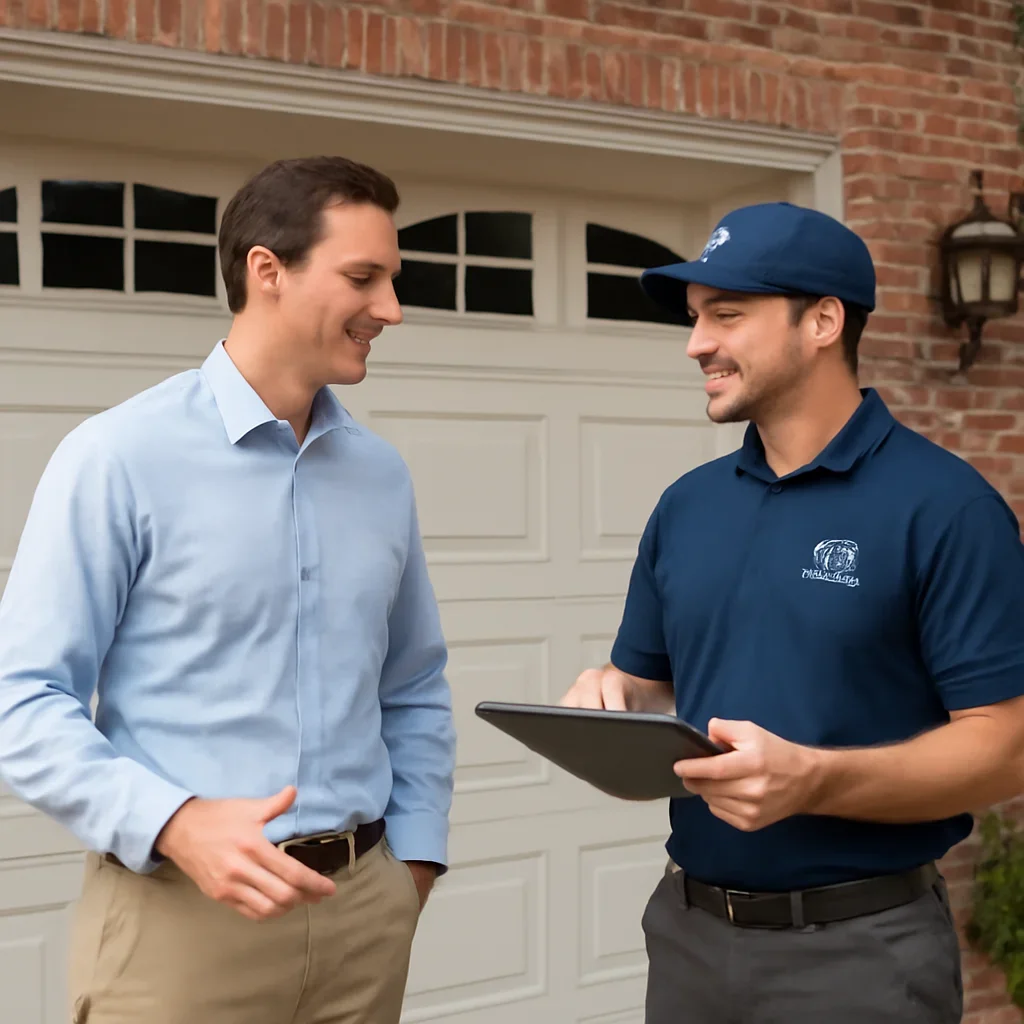
Homeowner in Richmond discussing garage door maintenance needs

Get a Quote