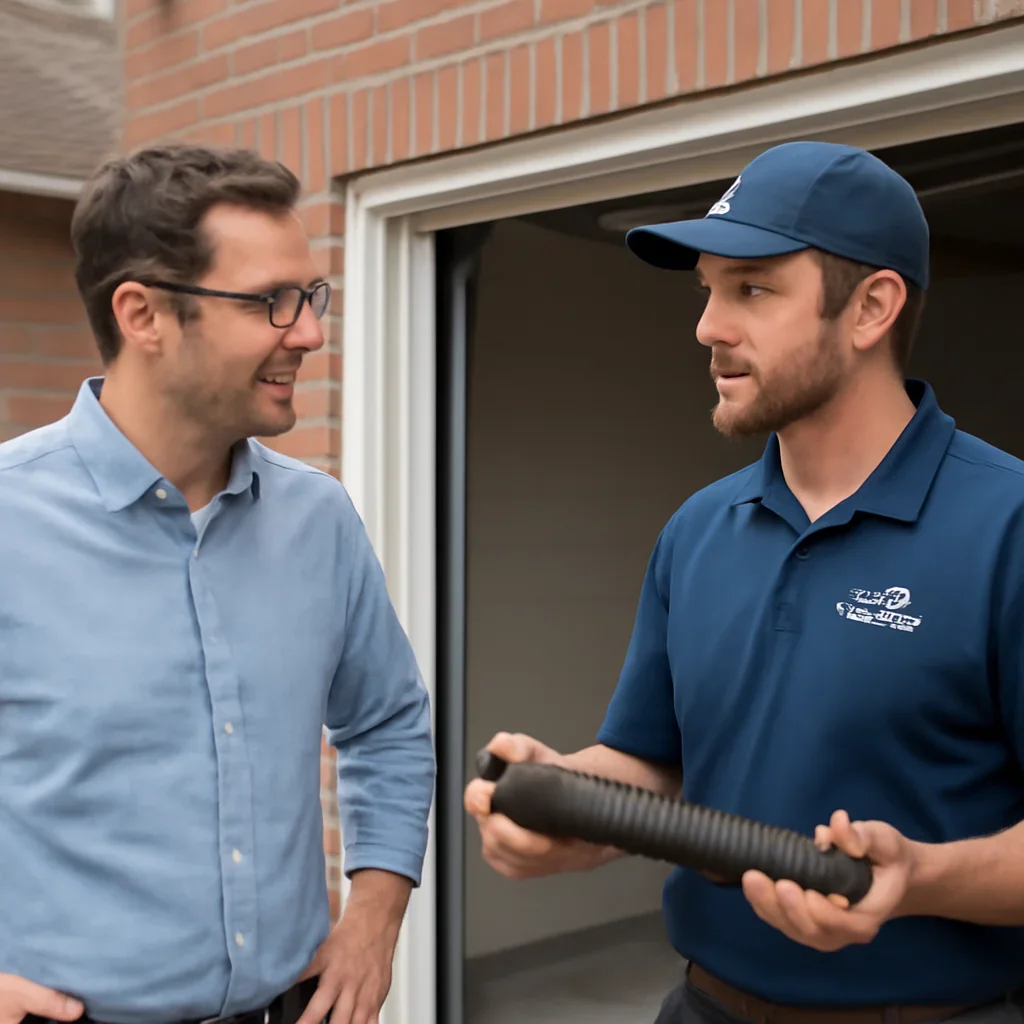
Door suddenly becomes heavy
A visible spring break, significant change in door weight or loss of normal counterbalance points most directly toward the spring system.
Richmond spring repair →
Richmond Garage Door Spring Repair
If the garage door suddenly feels much heavier, will not open normally, travels unevenly or made a sharp bang, the spring and counterbalance system may need attention.
Do not handle the spring, lifting cables or bottom brackets yourself. Tell us whether the door still moves, whether you can see a break in the spring and whether the garage can still be accessed and secured.
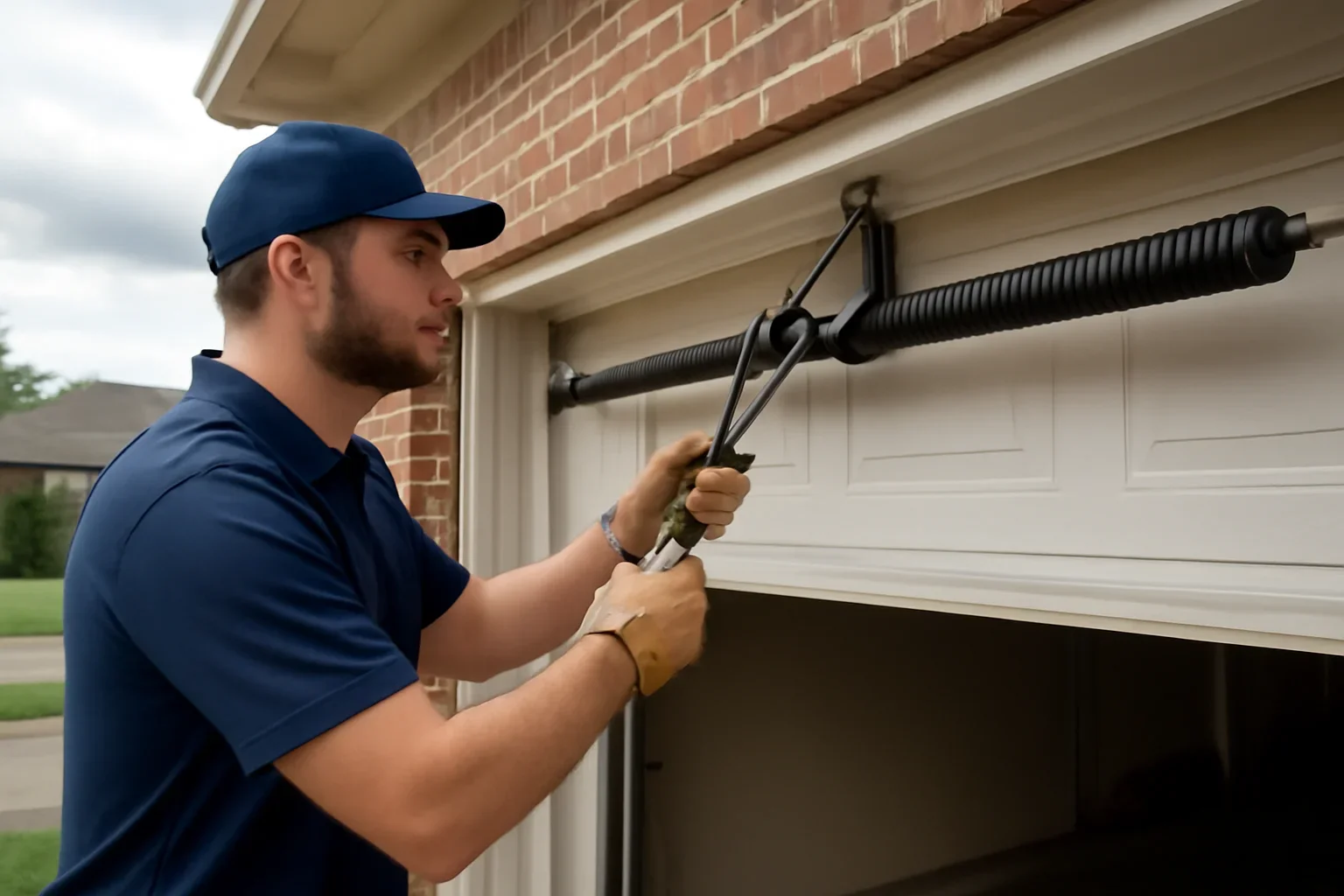
These components can be under substantial tension. If a spring is visibly broken, a cable is frayed or displaced, or the door appears unstable, stop repeatedly operating the door while arranging service.
Recognize the signs
Spring faults change how the door's weight is counterbalanced. Look for several clues together rather than using noise alone as the diagnosis.
A clear separation in the coil above the garage-door opening is a strong visible sign that a torsion spring has failed.
Springs help counterbalance the door. A significant loss of that assistance can make the door difficult to move normally.
Do not automatically blame the opener. A failed spring can leave the operator trying to move far more door weight than it normally handles.
A spring can release significant stored energy when it fails. Inspect only from a safe position rather than touching the spring assembly.
Spring balance can be involved, but cables and other lifting hardware can create similar symptoms and should also be considered.
Noise by itself does not prove the spring has failed. Look for changes in door weight, movement, balance and visible spring condition too.
Richmond property context
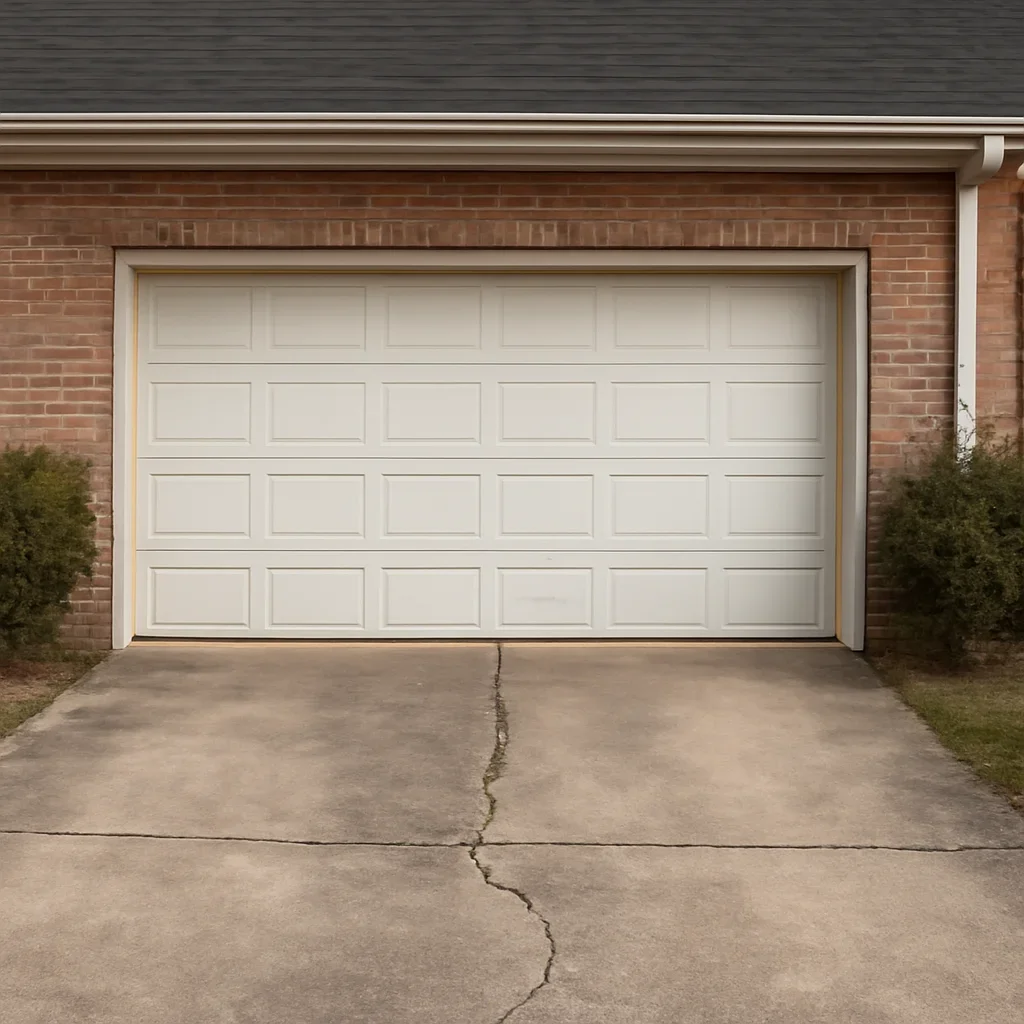
A Richmond address does not explain why a spring failed. The useful local details are the garage configuration, access conditions and how the door relates to the property.
Mention whether the garage is separate from the main home and whether gates, parking or another access condition affects reaching it.
If the garage is part of a strata property, identify whether access or approval responsibilities affect arranging the repair.
Explain whether the affected door serves one household or a shared parking/access arrangement so the immediate impact is clear.
Say so when the broken spring has also created an immediate access problem so the urgency can be understood when current availability is discussed.
Know the system
Both spring systems help counterbalance garage-door weight, but their location and supporting hardware differ. Repair should follow the actual system installed on the door.
Torsion springs work around a shaft above the garage door. A visible separation in the coil can indicate that the spring has broken.
Extension springs stretch as the door operates and use associated cables and pulley hardware as part of the lifting system.
Extension springs should have containment safety cables intended to help restrain a spring if it breaks.
Door dimensions, weight and existing hardware configuration need to be considered together when selecting the spring setup.
Do not diagnose from one symptom
Garage-door systems interact. A heavy door can make the opener look weak, while a displaced cable can make a spring-related problem look like a track issue.
A visible spring break, significant change in door weight or loss of normal counterbalance points most directly toward the spring system.
Richmond spring repair →A loose, frayed or displaced lifting cable can create uneven or unstable travel and belongs on a high-tension repair pathway.
Cable, roller & track repair →Remote, sensor, wall-control and operator faults belong on the opener pathway when the mechanical door remains sound.
Richmond opener repair →If the door is simply stuck, crooked or operating poorly and the cause is not clear, start with general Richmond garage-door repair.
Richmond garage door repair →Spring repair approach
Spring work should leave the door properly matched, balanced and able to move normally before the opener is expected to operate it again.
Confirm torsion or extension configuration and review the existing spring and supporting hardware.
Cables, drums, brackets and other components that interact with the counterbalance system should be considered where relevant.
Spring selection should follow the actual door's size, weight and system configuration rather than a visual guess.
After spring work, the door should not remain abnormally heavy, crooked or difficult to control.
Once the mechanical door is operating correctly, confirm that the opener is working with a properly counterbalanced system.
Spring-system details
When a door is designed with two springs and one fails, the paired system should be addressed together rather than treating the second spring as unrelated.
Frayed or displaced cables can create additional safety and balance problems and should not be pulled, rewound or repositioned by the homeowner.
If the opener struggled while the spring system was failing, evaluate it after normal mechanical balance has been restored.
Spring repair vs. new door
Spring failure is normally evaluated as part of the lifting system. Full replacement should be a separate decision based on the condition and suitability of the complete garage door.
Before requesting spring repair
Useful information can be gathered visually. There is no need to measure, unwind, remove or test high-tension spring components yourself.
Heavy, stuck, partly opening, uneven travel or a sudden loud bang are useful descriptions.
From a safe position, note a separated spring coil, damaged extension spring or displaced lifting cable.
Mention a detached garage, strata property, shared access or restricted physical access when relevant.
Tell us whether the garage cannot be secured, the door is unstable or a vehicle is trapped inside.
Richmond Spring Repair Questions
Spring systems store substantial energy. Use visible symptoms to choose the repair path, not as an invitation to adjust the hardware yourself.
Useful signs include a visible break in the spring, a sudden change in door weight, difficulty opening normally, uneven travel or a sharp bang. Several symptoms together provide better context than sound alone.
Avoid repeatedly operating a door with a visibly broken spring. The spring system counterbalances the door, so a failure can leave the opener trying to move substantially more weight than normal.
No. Spring noise can occur without failure. A loud bang combined with a visible spring break, heavy door or sudden movement change is more useful evidence than noise alone.
Torsion springs are generally installed above the opening around a shaft. Extension springs usually operate beside the horizontal track area. Their hardware arrangements differ, so repair should follow the spring system actually installed.
DASMA recommends replacing both when a garage door is designed with two springs and one has failed. The repair should still follow the actual spring configuration of the door.
Yes. Lifting cables are part of the counterbalance system and can create uneven or unstable movement when damaged or displaced. Do not pull or reposition them yourself.
The location alone does not identify why a particular spring failed. Inspect the actual spring, door usage, balance and hardware condition rather than assigning the failure to Richmond's climate without evidence from the specific door.
Use the urgent pathway when the garage cannot be secured, necessary vehicle access is blocked or the door is visibly unstable in addition to the suspected spring failure.
See Richmond emergency garage door repair and confirm current availability.
Richmond Garage Door Spring Repair
Share whether a spring looks visibly broken, whether the door is uneven or unstable, whether a cable appears displaced, whether a vehicle is trapped and any Richmond property-access details that affect reaching the garage.