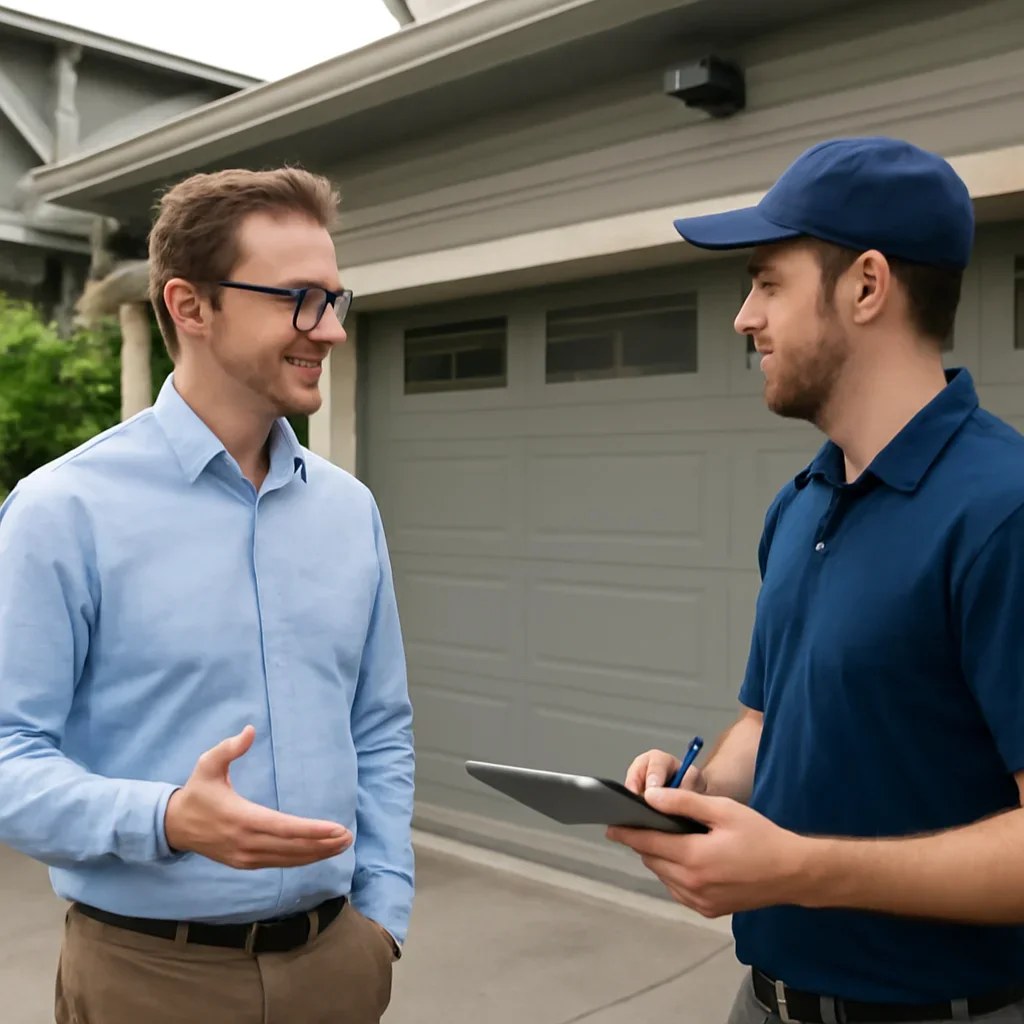
The wall control, remote, keypad or more than one control source may need to be separated from a power or opener-unit problem.
Vancouver Garage Door Opener Repair
Garage Door Opener Repair in Vancouver, BC
When the garage door stops responding, reverses unexpectedly, refuses to close, loses remote control or makes the motor sound strained, start by separating the opener fault from a problem with the garage door itself.
Opener repair can involve controls, safety sensors, travel behaviour, drive components or electronics—but a heavy, binding or damaged garage door can also make a working opener appear to be failing.
- Remote & wall-control problems
- Safety sensor issues
- Reversing & travel problems
- Motor and drive concerns
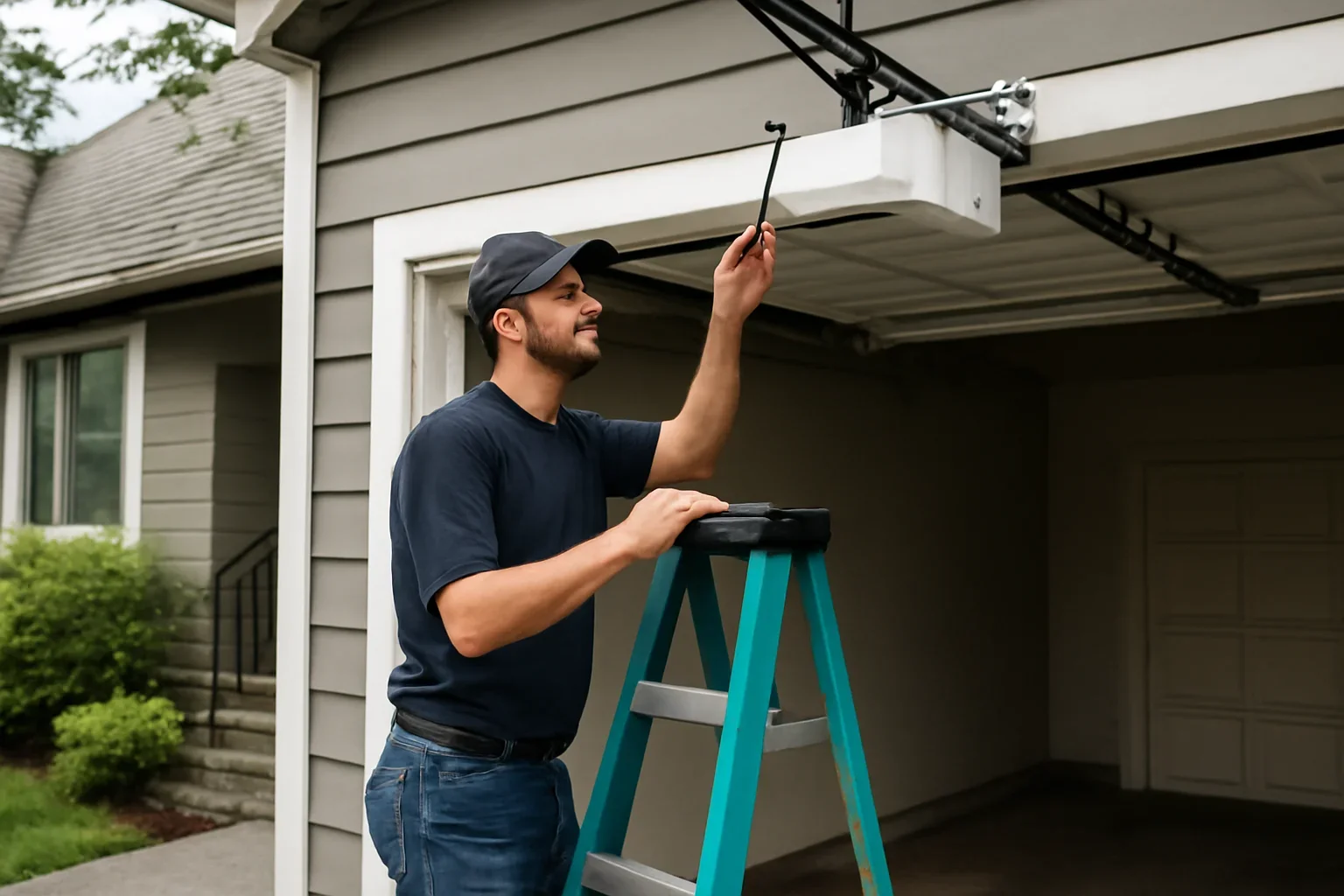
Quick Answer
How do you know whether the opener is actually the problem?
Look at the complete symptom. If controls fail but the door otherwise moves normally, the opener or accessory side deserves attention. If the opener strains against a heavy, crooked or binding door, the physical door may be contributing. Closing and reversal problems can also involve the safety sensors, travel settings or an obstruction in the door path.
Start With the Symptom
What is the opener doing differently?
You do not need to identify the logic board, sensor or internal component yourself. The behaviour usually gives a better starting point.
A remote, keypad or accessory problem may be more likely when the opener still responds normally from another control.
Check whether the opener is signalling a safety-sensor or obstruction problem before assuming the motor itself has failed.
Reversal behaviour can involve sensor conditions, door resistance or the opener's travel behaviour and needs to be diagnosed in context.
A drive component may be involved, but the door itself should also be checked for excessive resistance, balance problems or damaged hardware.
Identify whether the noise comes from the opener head, rail or drive system—or from rollers, tracks, springs or other garage-door hardware.
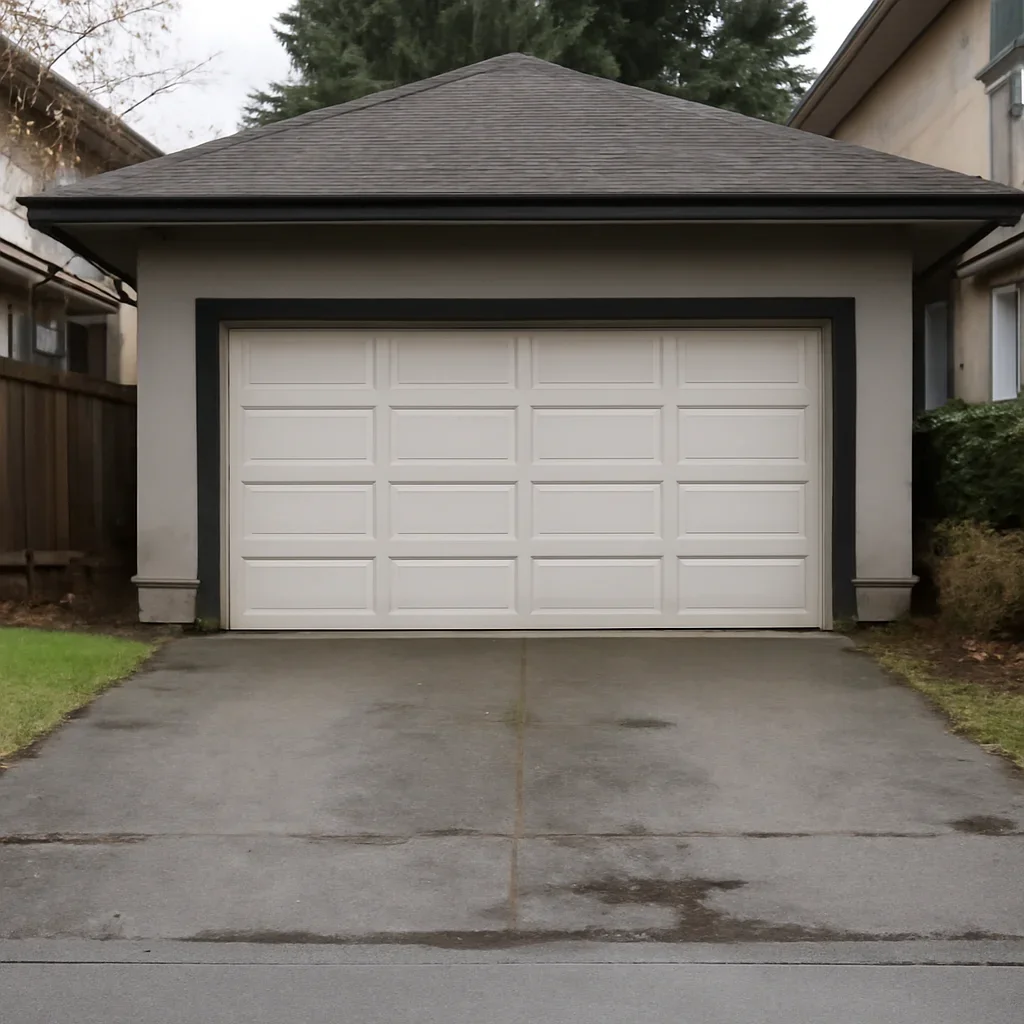
Opener or Garage Door?
Springs
Tracks & rollers
Door alignment
Obstructions
Opener unit
Vancouver Garage Door Repair
Do not make the motor compensate for a mechanical door problem.
The automatic opener is only one part of the system. Before treating poor movement as an opener failure, the garage door itself should be considered.
A broken or ineffective counterbalance system can make the door unusually heavy and place abnormal demand on the opener.
Binding, damaged or poorly moving hardware can create resistance that shows up as slow, noisy or interrupted powered travel.
A visibly crooked or unstable door should be treated as a garage-door repair problem rather than solved by changing opener settings.
Objects in the closing path or around the track and sensor area can affect operation without indicating an internal motor failure.
Once the door itself is operating appropriately, the controls, sensors, travel behaviour, drive system and electronics can be narrowed more confidently.
Before the Service Visit
A few observations can help without dismantling the opener.
Keep homeowner troubleshooting limited to simple observations and low-risk checks. Loaded springs, cables and unstable door hardware are not DIY diagnostic components.
Compare more than one control.
Note whether the wall control, handheld remote, exterior keypad or connected control behaves differently from the others.
Check the simple remote issue first.
If only a handheld remote has stopped responding, its battery or compatibility/programming path may be relevant before the opener itself is blamed.
Look for obstruction or obvious misalignment.
Check the sensor area from a safe position and note indicator lights, visible obstruction or anything that appears to have shifted.
Record what happens.
Note whether the opener hums, clicks, flashes, stops at the same position, reverses or behaves differently when opening versus closing.
Do not keep testing a visibly unstable door. If the door is off-track, hanging unevenly, has a broken spring or cable, or appears likely to fall, stop normal operation and treat the physical door condition as the priority.
Closing & Reversal Problems
Safety-sensor symptoms deserve their own diagnostic path.
A door that opens normally but refuses to close is not automatically suffering from a motor failure.
An object in the sensor beam or physical closing path can prevent normal closing.
Sensors that have shifted out of their intended alignment can interrupt normal closing behaviour.
Wiring or connection problems can produce similar symptoms and may require closer inspection once obvious obstruction is ruled out.
Record blinking opener lights or sensor indicators because the pattern may help narrow the diagnostic path for the particular model.
A door that reaches the floor and then reverses can involve a different travel-related problem from a door that will not begin its closing cycle normally.
Controls & Connected Access
When one command path fails, isolate it before replacing the opener.
A remote, keypad, wall control and app are not the same component. Which ones still work can materially narrow the problem.
Remote fails, wall control works
Start with the remote-specific path: battery, compatible replacement, programming or a problem affecting that control rather than assuming the complete opener has failed.
Wall control also fails
If several control sources no longer activate the opener, the diagnostic scope shifts toward power, wiring, opener electronics or another system-level problem.
Keypad access is the only issue
Confirm whether normal wall and remote operation remains available. A keypad-specific problem should not automatically trigger complete opener replacement.
App access fails but physical controls work
Connected-access troubleshooting may involve Wi-Fi, account setup or compatibility separately from the door's basic powered operation.
Smart Garage Integration Information
Repair or Install a New Opener?
Use the actual fault and model—not an arbitrary age cutoff.
Some opener problems are relatively focused. Others lead to a broader replacement discussion when compatible parts, repeated failures or desired features change the equation.
Repair may make sense when…
The failed component can be identified and the rest of the opener and garage-door system remain appropriate to keep.
- The fault is isolated to a repairable control, sensor or opener component.
- A compatible replacement part is available.
- The door itself is mechanically sound.
- The opener otherwise meets the household's needs.
- There is no broader pattern of significant recurring failures.
A new opener deserves comparison when…
Repair is becoming difficult to justify against the condition, compatibility or goals for the complete operator.
- The required component is unavailable or incompatible.
- Several significant opener problems are appearing together.
- Repair history is becoming substantial.
- The existing unit no longer fits the intended door or garage configuration.
- You also want materially different controls, backup power or connected features.
Vancouver Service Context
Local property details affect access more than diagnosis.
A Vancouver address does not explain why an opener failed. Local context is most useful when it tells us how the garage is configured and how the system can be reached.
Tell us when the garage is reached from a lane.
Restricted approach, gates, parked vehicles or other working-space constraints are useful service details when they are actually present.
Identify the garage configuration.
Detached buildings can have their own electrical, Wi-Fi, ceiling and opener arrangements that may be relevant to the reported symptom.
Noise may affect the next-step decision.
If repair turns into new-opener planning, tell us when quieter operation is important because bedrooms or occupied space are close to the garage.
Explain how the failure affects normal use.
Whether the garage is the household's primary vehicle entrance or a less frequently used detached building helps communicate the operational impact.
Opener Repair Process
Diagnose the system before deciding what to replace.
The useful sequence starts with the symptom, then separates the physical garage door from the automatic operator and its controls.
Confirm what changed
Identify which controls work, what the opener does and whether the issue occurs during opening, closing or both.
Check the mechanical system
Look for conditions involving springs, tracks, rollers, obstruction or door movement that may be affecting the opener.
Narrow the operator fault
Assess relevant controls, safety devices, drive components, travel behaviour and opener electronics.
Confirm repairability
Identify the opener model and determine whether the required compatible repair part or accessory is available.
Repair or compare replacement
Choose the practical scope based on the fault, door condition, part availability, repair history and future opener priorities.
Repair Pricing Factors
Opener repair cost depends on what actually failed.
A remote problem, sensor fault, mechanical door problem and internal opener repair are different scopes. Diagnosis should come before comparing price.
Fault type
Controls, sensors, drive components and internal electronics can require different repair scopes.
Opener model
Model identification matters for compatible accessories and replacement components.
Part availability
Current and discontinued opener models do not necessarily have the same repair-part availability.
Door condition
A separate spring, track, roller or other garage-door problem can add a distinct mechanical repair scope.
Repair vs new opener
If replacement becomes the stronger option, compare the complete new-opener specification rather than treating it as the same scope as one repair.
Avoid Misdiagnosis
Five opener-repair shortcuts that can point in the wrong direction.
Powered-operation problems are easier to understand when the opener, controls, safety system and physical garage door are not treated as one component.
Springs, tracks, obstruction, sensors and door resistance can all affect powered operation.
A mechanical door problem should be corrected rather than asking the opener to push or pull harder against abnormal resistance.
If other controls still work normally, isolate the accessory problem before expanding the repair scope.
Sensor problems are one possibility, but travel behaviour and physical door resistance can produce different reversal symptoms.
Model, condition, required part, availability, repair history and desired replacement features provide more useful decision information.
Opener Repair Questions
Vancouver garage door opener repair FAQs
Direct answers for homeowners trying to distinguish a control problem, sensor problem, garage-door fault or opener failure.
Why does my garage door opener run but the door does not move correctly?
The cause can be within the opener or the physical garage door. Springs, tracks, rollers, door balance, drive components and other conditions can affect movement. If the door appears crooked, unusually heavy or unstable, start with the mechanical door rather than repeatedly operating the opener.
Why will my garage door open but not close?
Closing-only problems commonly justify checking the safety-sensor area, visible obstruction and diagnostic lights before assuming the opener motor has failed. Sensor alignment, wiring and other opener conditions can require further diagnosis.
Why does my garage door touch the floor and reverse?
That behaviour can involve the opener's closing travel rather than the same problem as a blocked safety-sensor beam. The complete door movement and opener setup should be checked before adjustments are made.
What if the remote does not work but the wall button does?
That points toward a remote-specific troubleshooting path. Check the remote battery first, then consider programming or compatible replacement rather than assuming the entire opener requires replacement.
Can a broken spring look like an opener problem?
Yes. A spring problem can make the garage door substantially harder for the opener to move. If a spring is visibly broken or the door has become unusually heavy, use Vancouver garage door spring repair rather than repeatedly testing the opener.
Can an older garage door opener still be repaired?
Sometimes. The useful questions are the exact model, failed component, condition of the rest of the unit and whether compatible parts remain available. There is no universal age at which every opener automatically becomes non-repairable.
When should I consider installing a new garage door opener?
Compare a new opener when the required repair is impractical, compatible parts cannot be sourced, substantial problems are recurring or you also want a meaningfully different opener configuration or feature set. See garage door opener installation.
What information should I send before booking opener repair in Vancouver?
Include the opener brand and model if visible, which controls still work, what happens when you operate the door, whether lights flash or indicators appear, the current door position and clear photos that can be taken safely.
Request Opener Repair in Vancouver
Tell us what responds, what does not, and what the door does next.
Share the opener brand and model if visible, which controls still work, whether the problem occurs while opening or closing, and any diagnostic lights or unusual sounds you have noticed.
- Opener brand & model
- Remote / keypad / wall-control behaviour
- Opening or closing symptom
- Photos if safe