Door weight changed suddenly
A visible spring break, heavy door or loss of normal counterbalance points more directly toward the spring system.
Spring repair
Vancouver Garage Door Spring Repair
A broken or failing garage-door spring can leave the door unusually heavy, uneven or unable to open normally. If you heard a sudden bang, can see a break in the spring, or the door has become difficult to lift, stop repeated operation and have the spring system assessed.
You do not need to identify the exact spring yourself. Tell us what changed, whether the door still moves, whether the garage can be secured, and whether rear-lane or detached-garage access affects the site.
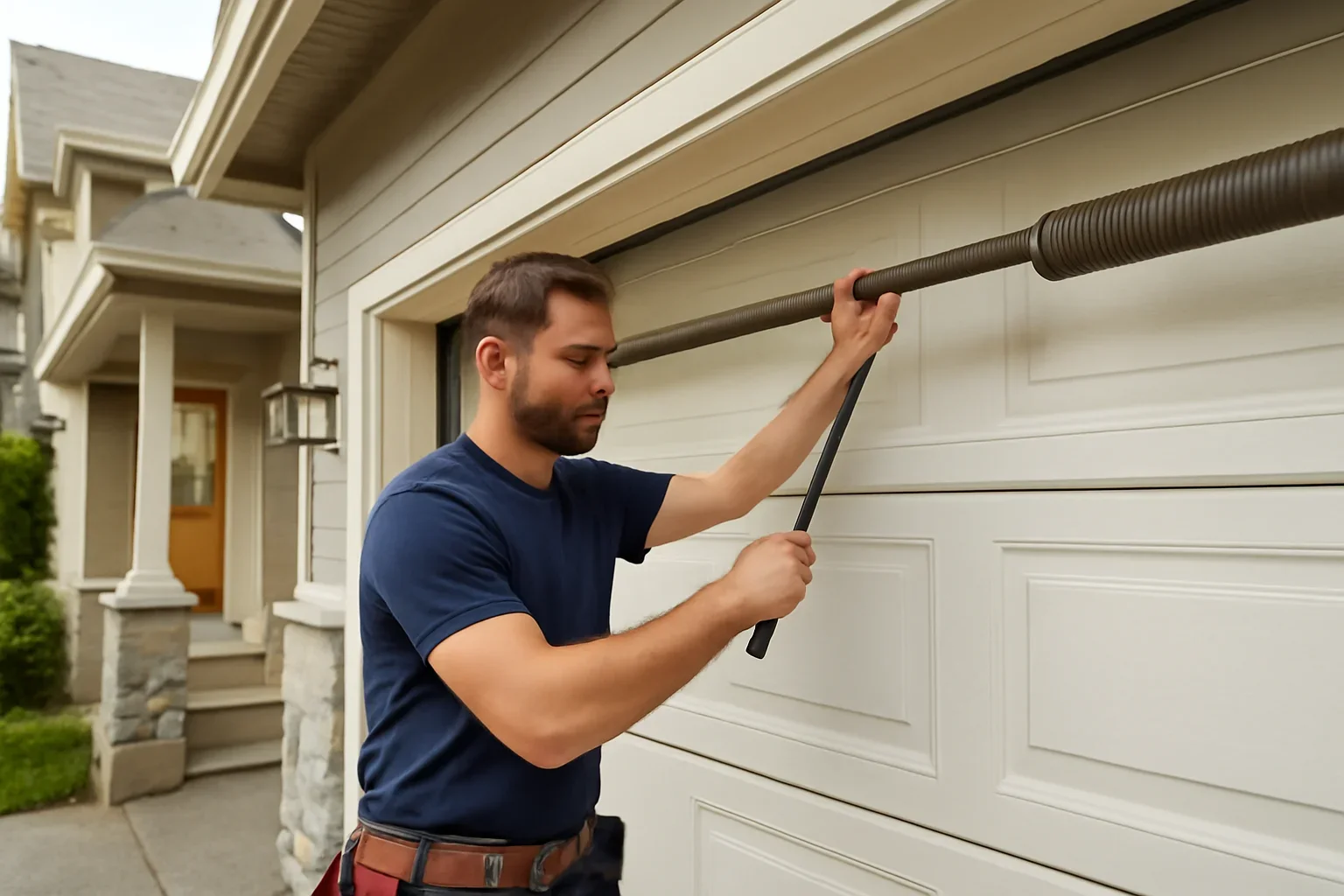
These components can be under significant tension. If the spring is visibly broken, a cable is displaced, or the door appears unstable, stop operating it while arranging service.
Recognize the symptoms
One symptom alone does not always confirm a spring fault. The most useful clues combine what you can see with how the door's weight and movement changed.
A torsion spring normally forms a continuous coil around the shaft. A clear separation in that coil is a strong visible sign that the spring has broken.
Springs counterbalance the weight of the door. When that lifting assistance is lost or significantly reduced, the door can become much harder to move.
Do not assume the opener motor is the original problem. A counterbalance failure can leave the opener trying to move far more door weight than it normally handles.
A spring-system problem can contribute to irregular movement, but cables, rollers and tracks can create similar symptoms and should be distinguished from the spring itself.
Spring failure can produce a sharp noise. Check visually from a safe position rather than handling the spring assembly.
Squeaking or spring noise alone does not automatically mean the spring has broken. Look for changes in weight, movement, balance or visible spring condition as well.
Do not diagnose from one symptom
These systems interact. A door that looks like it has an opener problem can actually be struggling because its mechanical counterbalance system is no longer doing its job.
A visible spring break, heavy door or loss of normal counterbalance points more directly toward the spring system.
Spring repairA frayed, loose or displaced lifting cable can create uneven or unstable travel and belongs to a different high-tension repair path.
Cable, roller & track repairRemote, sensor, wall-control or operator faults belong on the opener-repair pathway when the door's mechanical system remains sound.
Vancouver opener repairRough or crooked movement may involve the travel hardware rather than the spring alone.
Movement-system repairKnow the system
Both systems counterbalance garage-door weight, but their location and supporting hardware differ. The correct service approach follows the spring system already designed for the door.
The spring works around a shaft and stores energy as it twists. A broken torsion spring often shows a visible separation in the coil.
Extension springs stretch as the door closes and use pulley and cable components to help lift the door.
Extension-spring systems should include containment safety cables intended to help restrain the spring if it breaks.
Door size, weight, hardware configuration and spring system need to be considered together rather than selecting a spring from appearance alone.
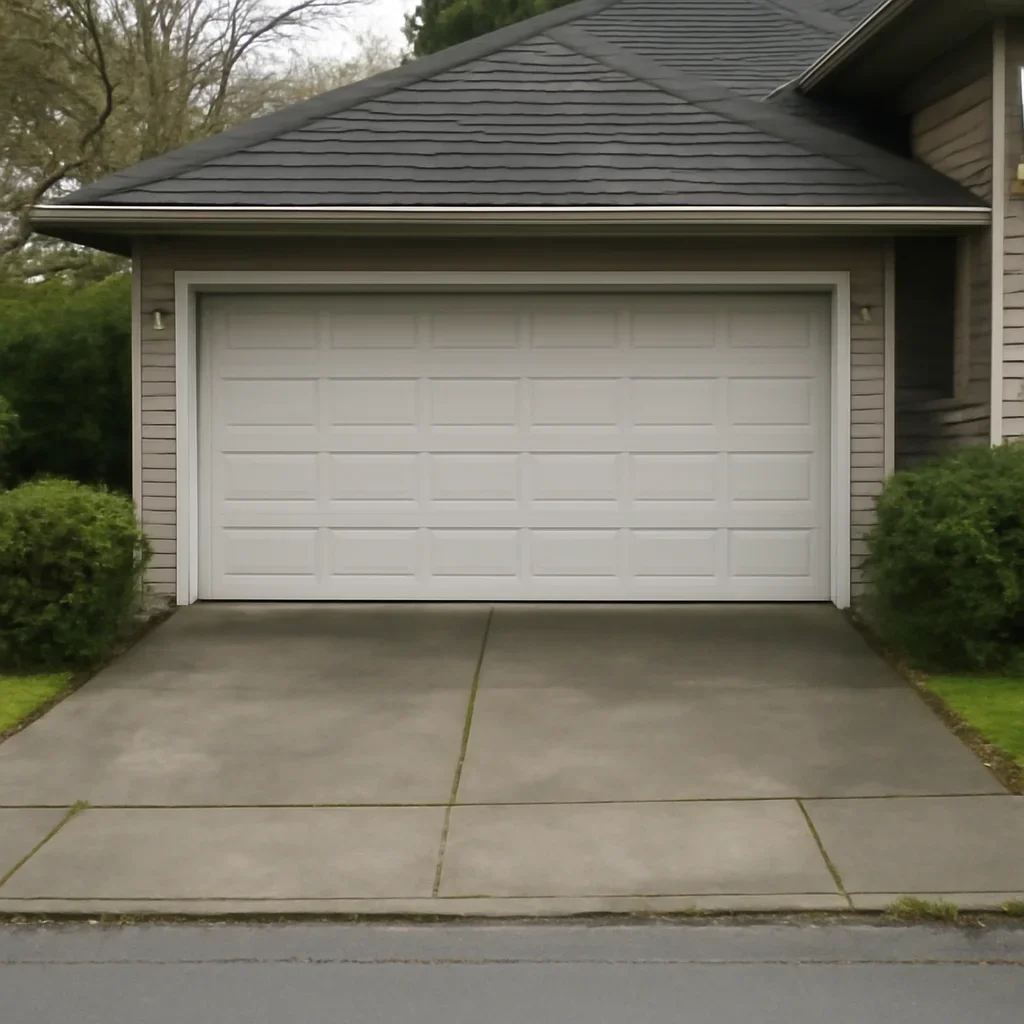
Vancouver service context
A Vancouver postal code does not tell you why the spring failed. Property details are most useful when they change how the garage is accessed or how the door system is configured.
If the garage is reached only from a lane, mention any narrow approach, parking restriction or other access condition that affects reaching the door.
Compact rear-yard garages can use different opening, ceiling and opener arrangements from a conventional attached garage.
Older doors may use a different spring arrangement or supporting hardware. The existing system should be identified before a replacement spring is selected.
Tell us when spring failure has also blocked necessary vehicle access so the urgency can be understood when current availability is discussed.
Spring service approach
Spring work should be considered as part of the complete lifting system so the repaired door is not left crooked, poorly balanced or placing avoidable load on the opener.
Determine whether the door uses torsion or extension springs and note the existing spring and hardware configuration.
Cables, drums, brackets and other supporting hardware should be considered where they form part of the same counterbalance system.
The spring setup needs to suit the actual door size, weight and configuration rather than being chosen from a generic visual match.
After spring work, the door should move consistently without being left abnormally heavy, crooked or difficult to control.
Once the mechanical door is operating correctly, the opener can be checked with a properly counterbalanced door rather than being expected to compensate for spring failure.
Spring-system details
When the door is designed with two springs, the condition and matching of the pair matter. The spring system should remain appropriately balanced after the repair.
Frayed, displaced or damaged lifting cables belong to the same safety conversation because they interact with the counterbalance system and bottom brackets.
If the opener struggled while the spring system was failing, check opener operation after the mechanical door has been restored to proper working condition.
Do you need a new garage door?
Spring failure is often a spring-system repair issue. Compare full replacement only when the wider door condition or project goals make replacement relevant for separate reasons.
Before requesting spring service
You can provide useful information from a safe distance. There is no need to measure, unwind or remove the spring yourself.
Say whether it became heavy, stopped moving, opened only partway, travelled unevenly or made a sudden bang.
From a safe position, note a visible gap in a spring, displaced cable or door that is hanging unevenly.
Mention rear-lane access, a detached garage, narrow working space or another site detail that affects reaching the door.
Explain whether a vehicle is trapped, the door is stuck open or the garage cannot currently be secured.
Vancouver Spring Repair Questions
Spring-system questions need a safety-first answer. Use these signs to choose the right service path rather than attempting high-tension repair yourself.
Common clues include a visible break or gap in the spring, a door that suddenly feels much heavier, difficulty opening normally, uneven or jerky movement, or a sudden loud bang. No single symptom should replace inspection of the full spring system.
Avoid repeatedly operating a door with a visibly broken spring. The spring system is intended to counterbalance the door's weight; the opener should not be expected to compensate for a failed counterbalance system.
A sudden bang can accompany spring failure, but use other evidence too: visible spring condition, a sudden change in door weight, movement and whether the door still opens normally.
Not necessarily. Spring noise can occur during normal operation. A replacement decision should consider the spring's condition and changes in door weight, movement or balance rather than sound alone.
Torsion springs are normally mounted above the opening around a shaft. Extension springs generally run alongside the horizontal tracks and stretch as the door closes. Both systems help counterbalance door weight but use different hardware arrangements.
On a two-spring door, the springs operate as a paired counterbalance system. DASMA recommends replacing both when a two-spring door has one failed spring. The actual service decision should still be based on the door's designed spring configuration.
Yes. A displaced or damaged lifting cable can create uneven, crooked or unstable travel. Do not pull or reposition the cable yourself because it can be connected to components under high tension.
The situation becomes more urgent when the garage cannot be secured, the door is unstable, important access is blocked or a vehicle is trapped inside. Use the Vancouver emergency garage door repair page and confirm current availability.
Request Vancouver Garage Door Spring Repair
Share what changed, whether a spring looks visibly broken, whether the door is uneven or unstable, whether a vehicle is trapped, and any rear-lane or detached-garage access details that affect the property.